
“Jakarta is quite bad in terms of light quality,” said Ronny Syamara, an astronomer at the Jakarta Planetarium. Excessive lighting can lead to energy waste and carbon footprints.
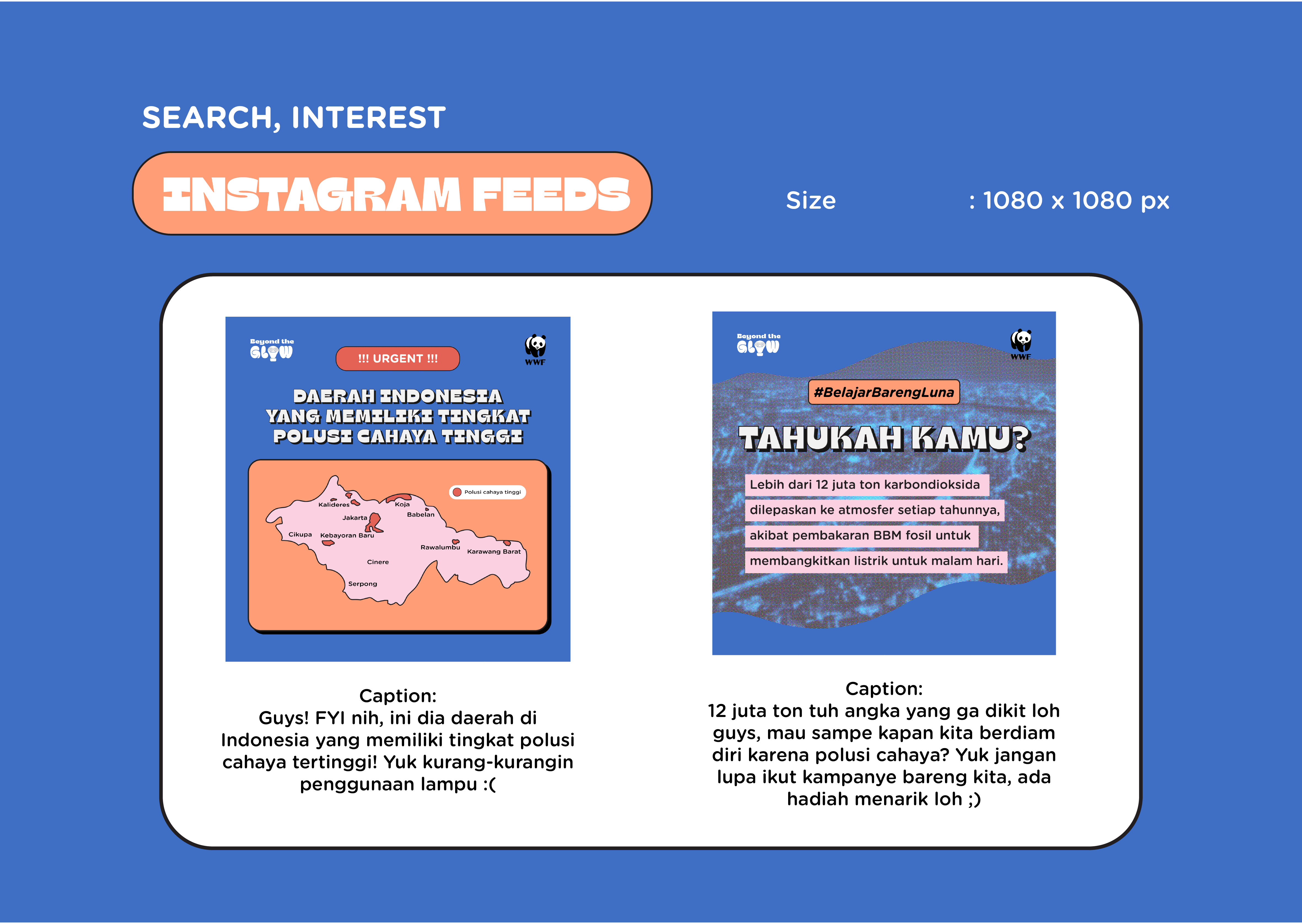
More than 12 million tons of carbon dioxide are released into the atmosphere every year as a result of burning fossil fuels to generate electricity for night time lighting.
International Agency for Research on Cancer adds circadian disruption caused by light exposure to Group 2A list (possibly carcinogenic to humans)
Problem Background
Scared of darkness
Overused of LED Technology
"Bright lights can make work more productive" mindset
Colorectal and breast cancer
Circadian disorders
High radiation from LED technology
Climate change because the carbon footprints increase
Leads to blindness and cell death
Turn off lights when unnecessary
Change the habit of sleeping with lights on
Reduce the use of artificial lights
Causes
Effects
Impact
Solution
Ensure access to affordable, reliable, sustainable and modern energy for all.
Ensure healthy lives and promote well-being for all at all ages.
Related SDGs
Campaign Strategy
Encourage audiences aged 19-44 to reduce the use of lights in their homes if they are not absolutely necessary for long periods of time.
Goals
Benefits
Reduces the risk of breast cancer and colorectal cancer, reduces the risk of blindness and desynchronization, and improves sleep quality, which provides many other benefits.
Premise
By turning off the lights, we can protect our health, preserve the environment and the creatures that live in it, and reduce the amount of carbon dioxide used in the production of fossil fuels to generate electricity.
Location
The campaign location is in Jakarta, because according to light pollution statistics, Jakarta is the city with the highest light pollution.
Light pollution triggers cancer and other health issues.
Social Message
Insights
It is impossible that light pollution causes serious illnesses.
Jakarta. The target of our design is the people of the Jakarta area who use lamps and other artificial light on a regular basis, because daily use of lamps causes light pollution.
Attitude: Desire to change bad habits & appreciate health
Lifestyle: Survivors (VALS Framework)
Primary Audience
Demographic
Gender: All gender
Age: 19-44 years old
Education: Bachelor
SES: D-A
Geographic
Psychographic
User level: Heavy users
Loyalty type: Regulars
Behavioral
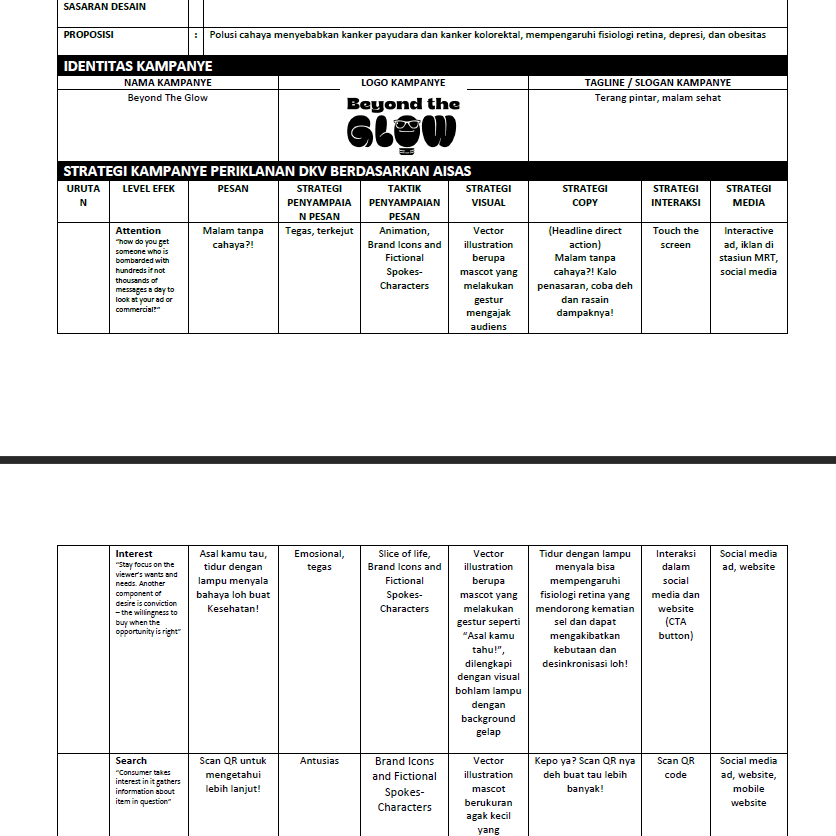
AISAS Strategy
This is a glimpse of the AISAS strategy elaboration by using a table. I will give you the diagram instead to clarify everything.
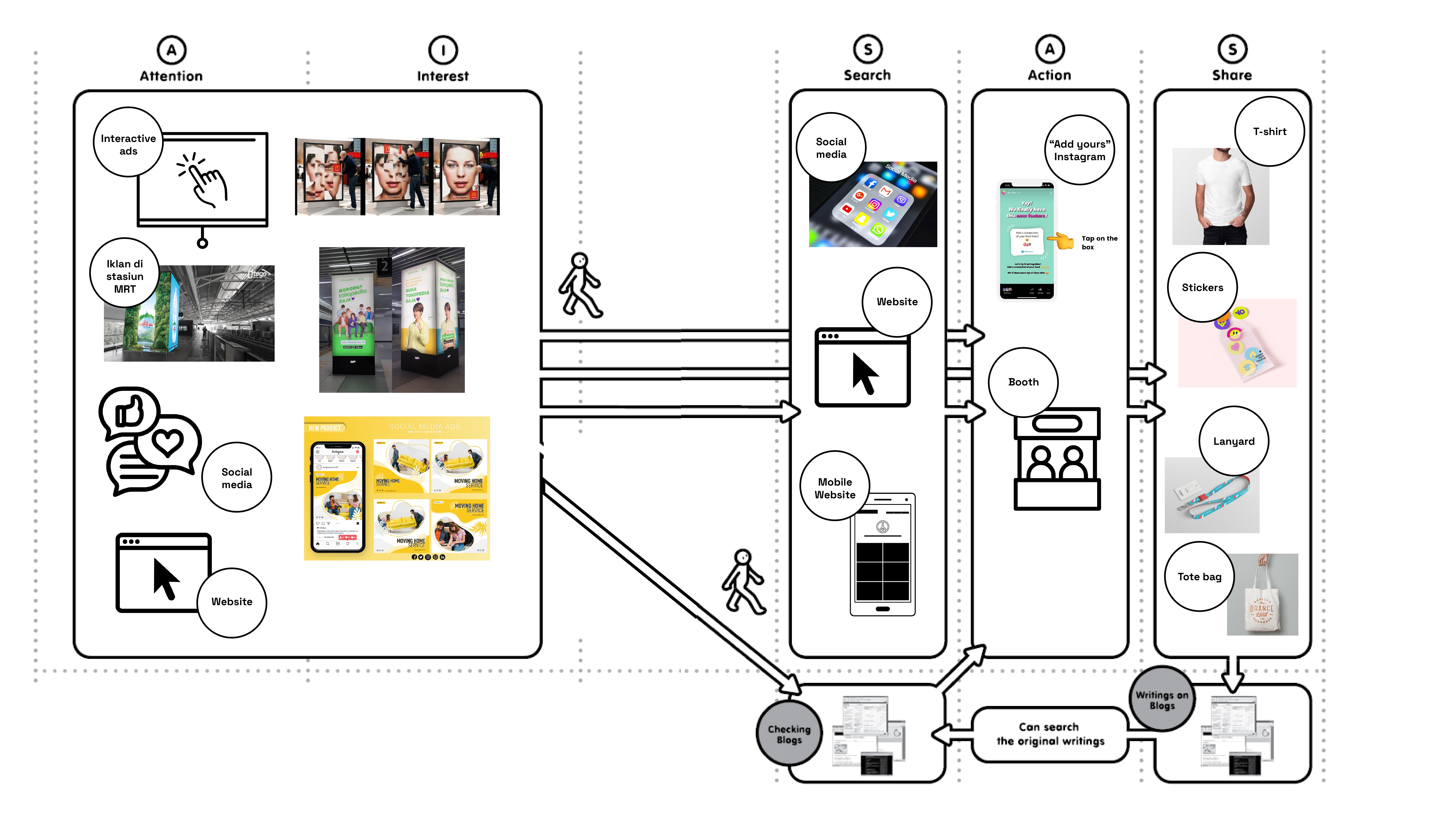
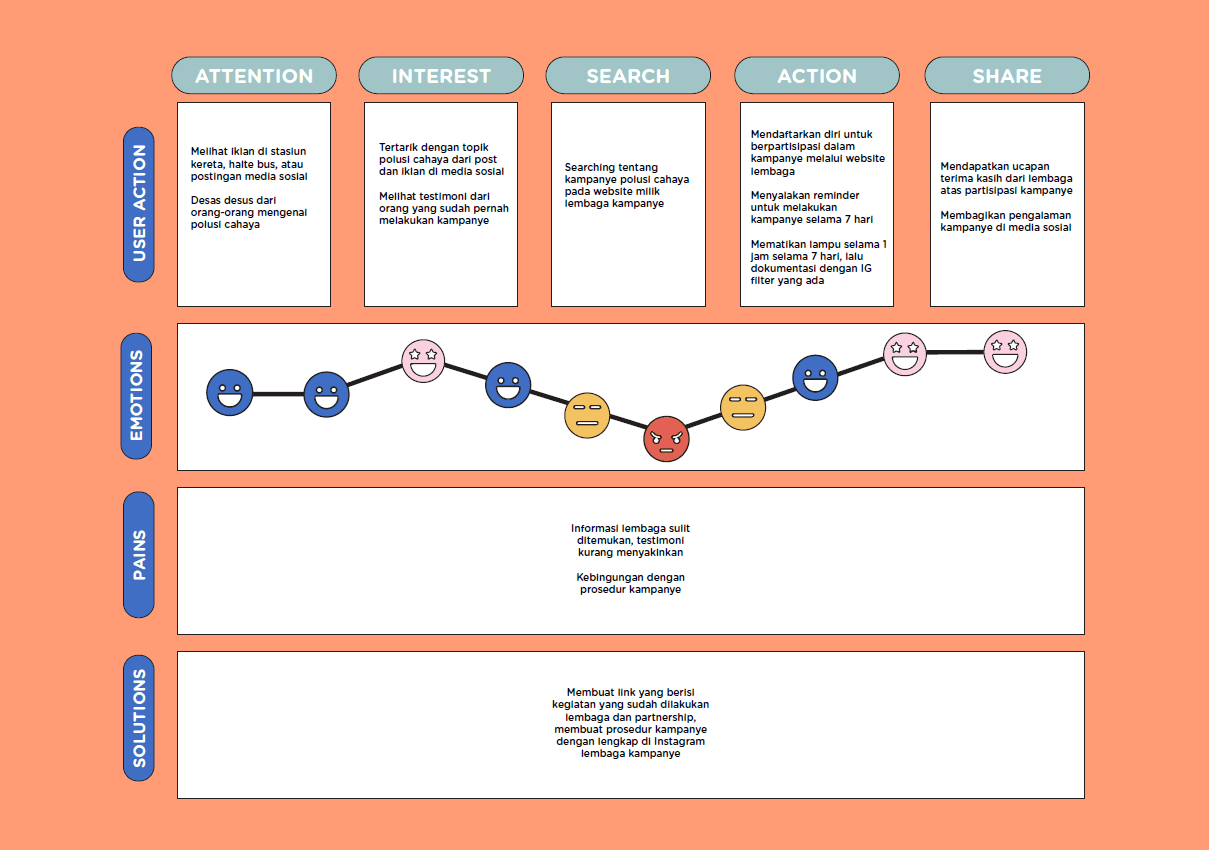
AISAS Customer Journey
Design
Big Idea
"Less light, more life"
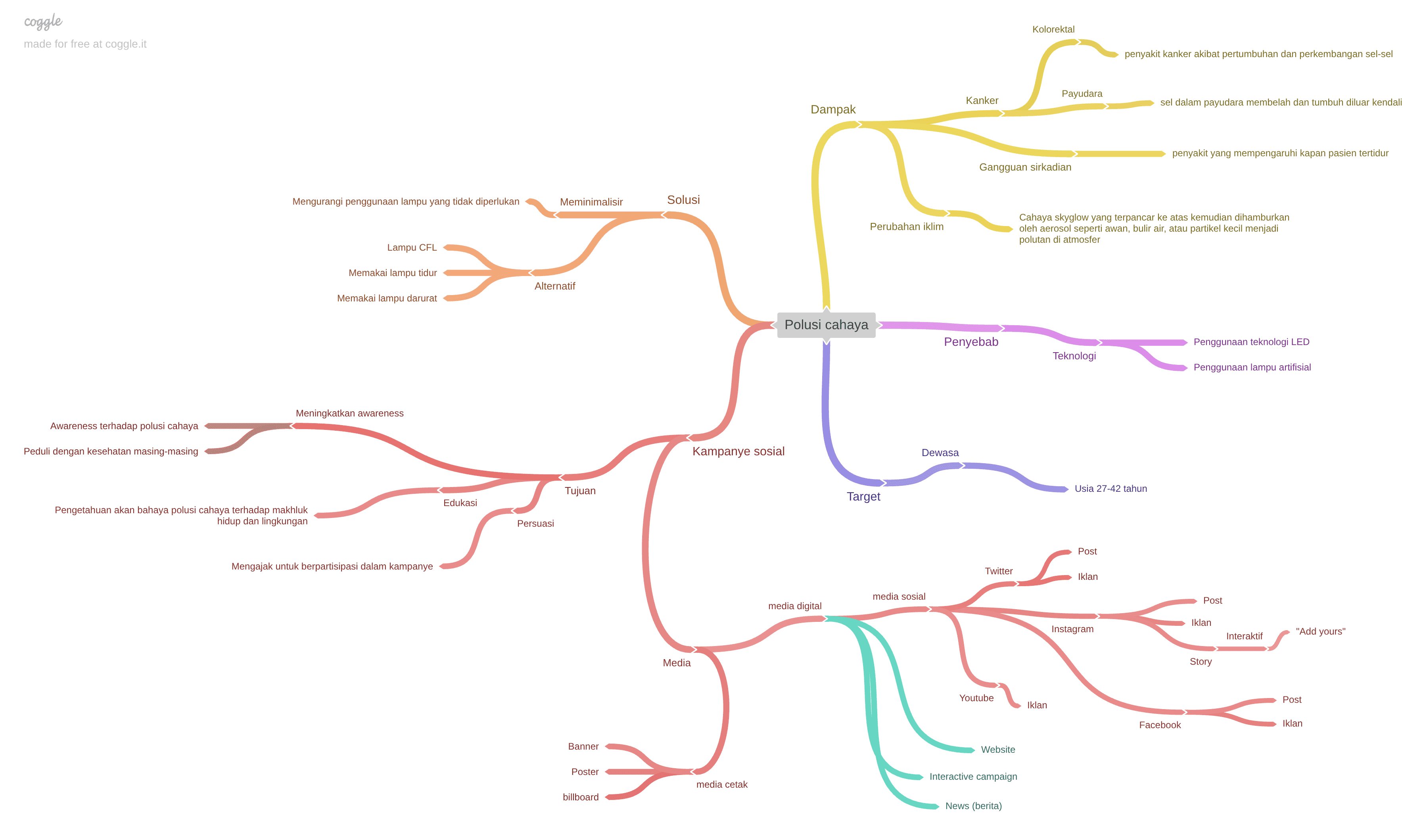
Mindmapping
Concept
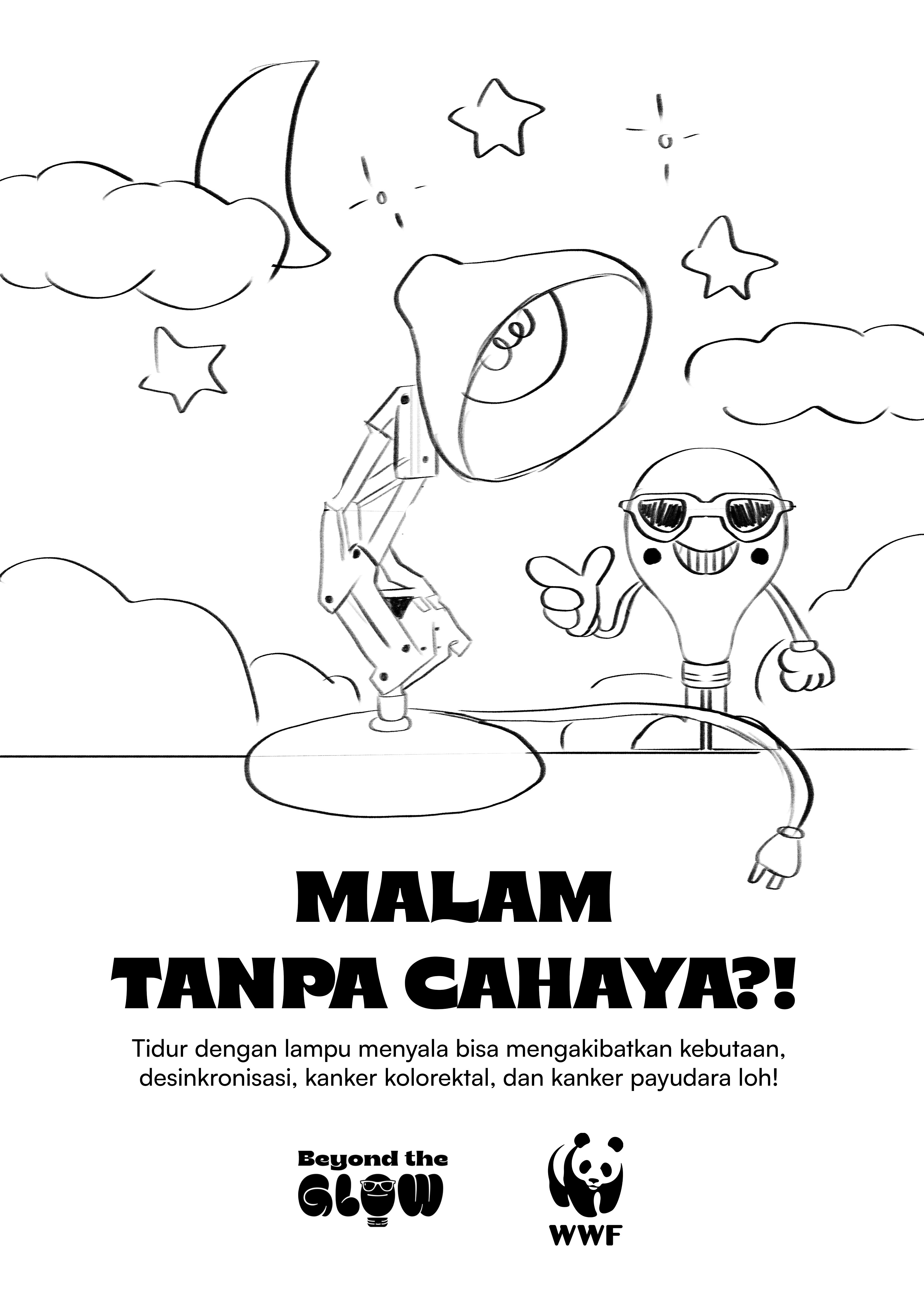
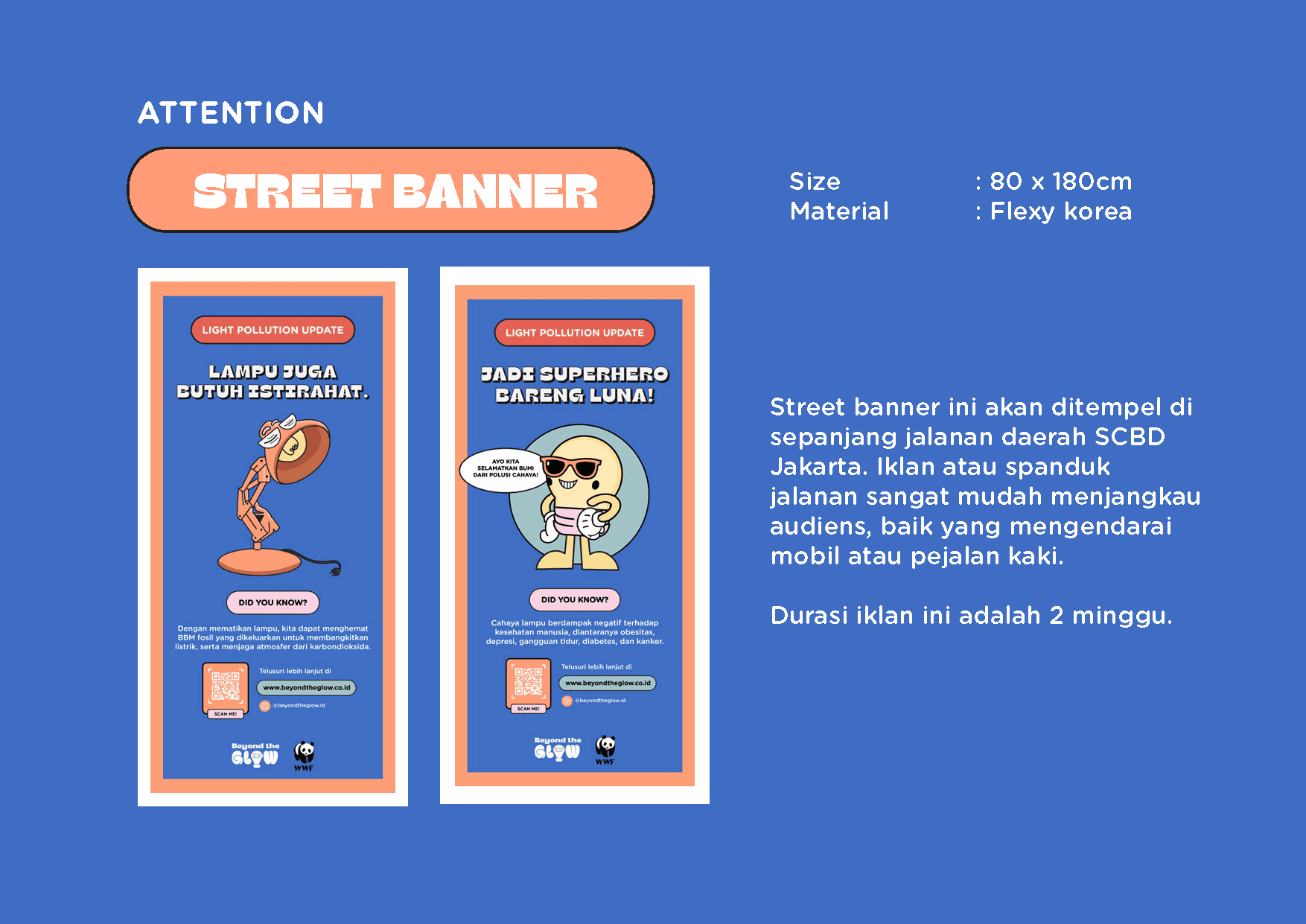
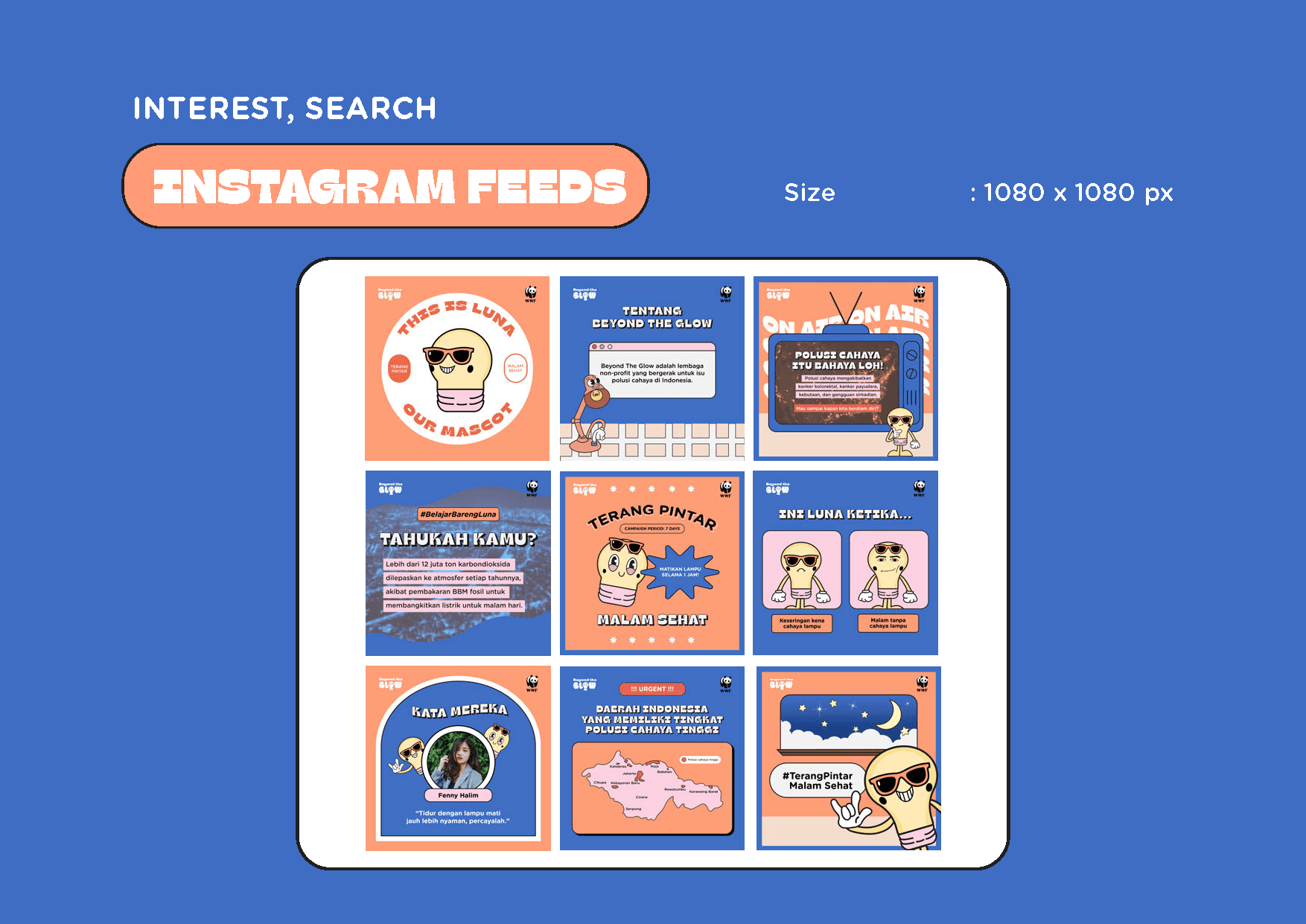
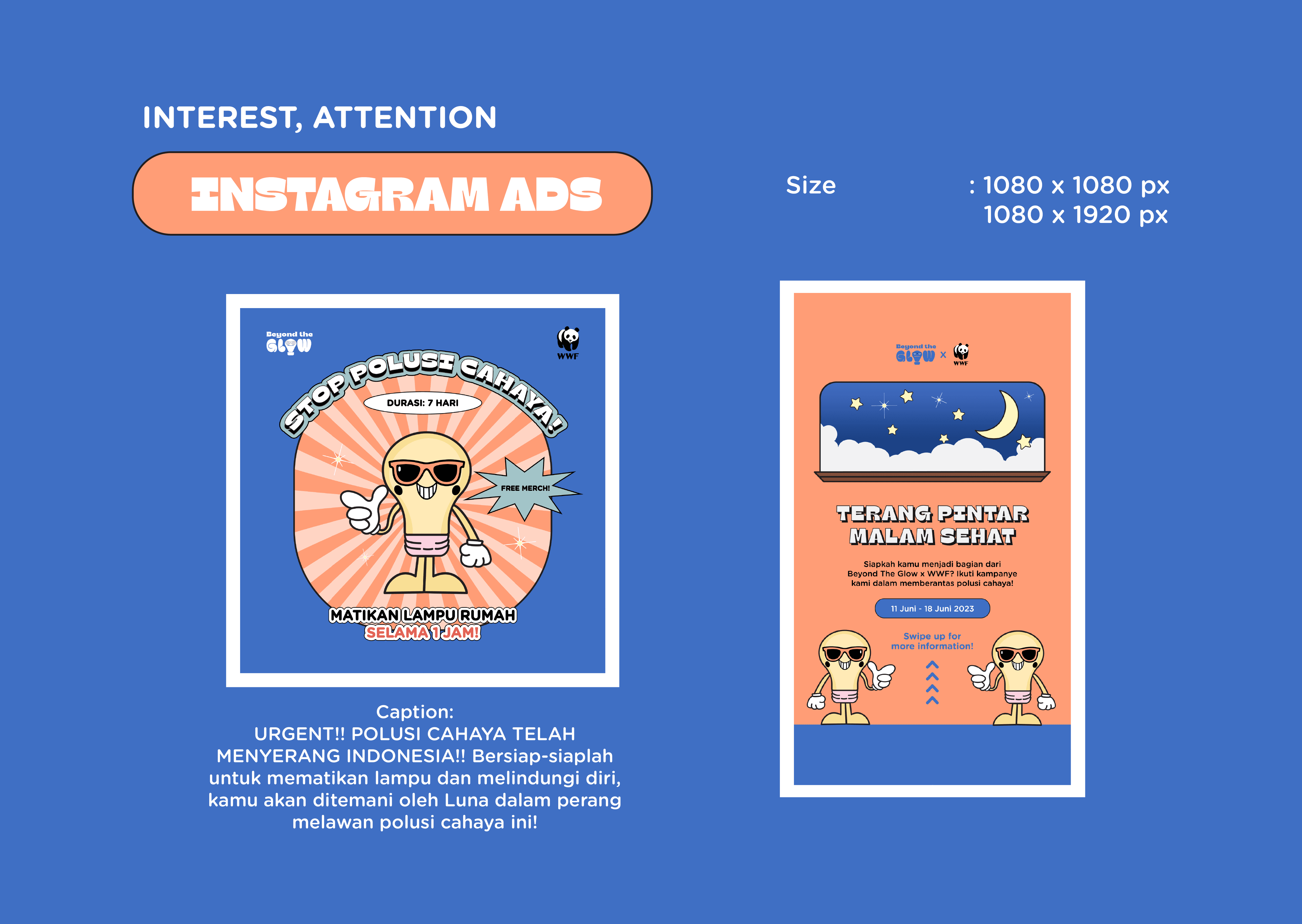
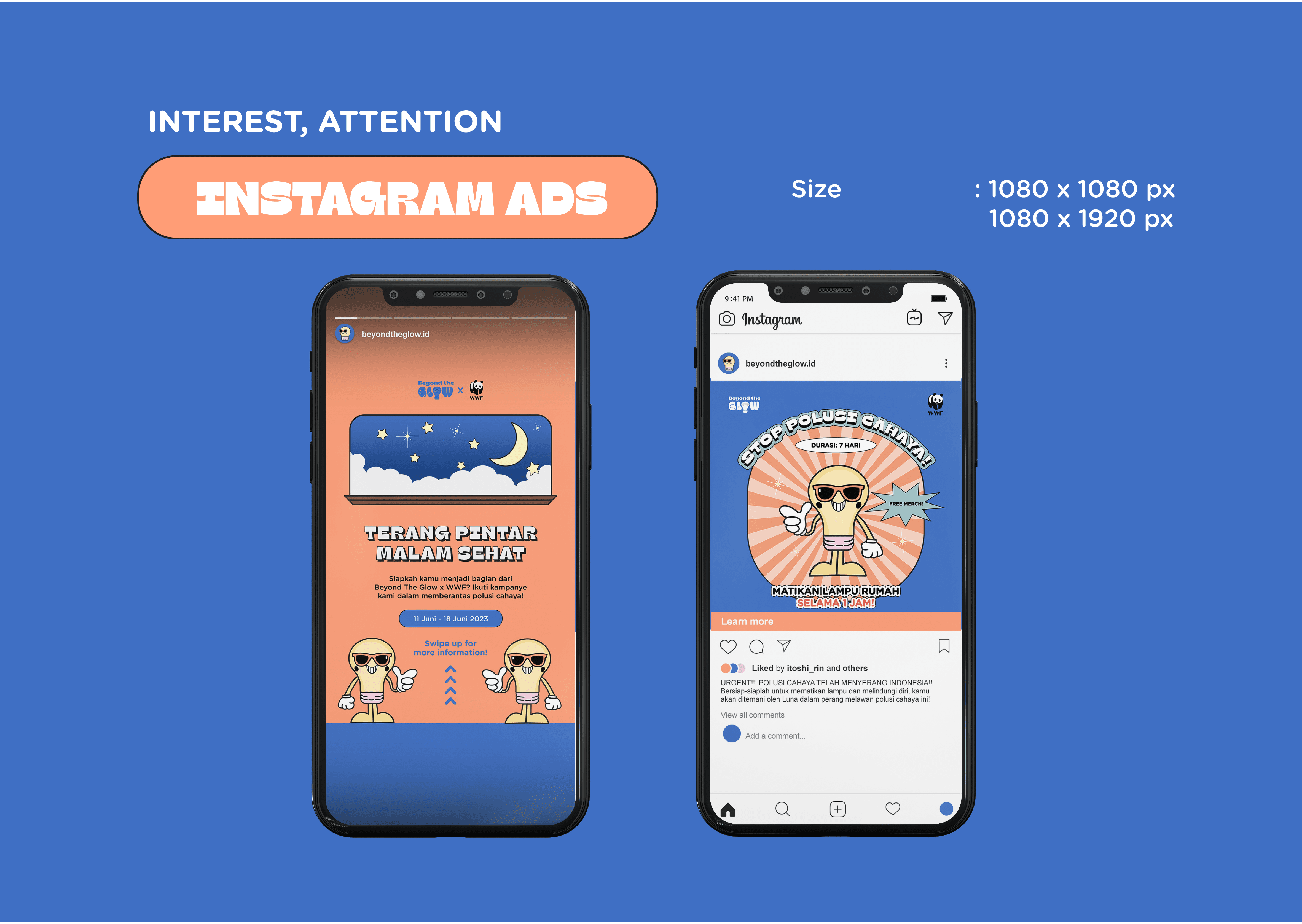
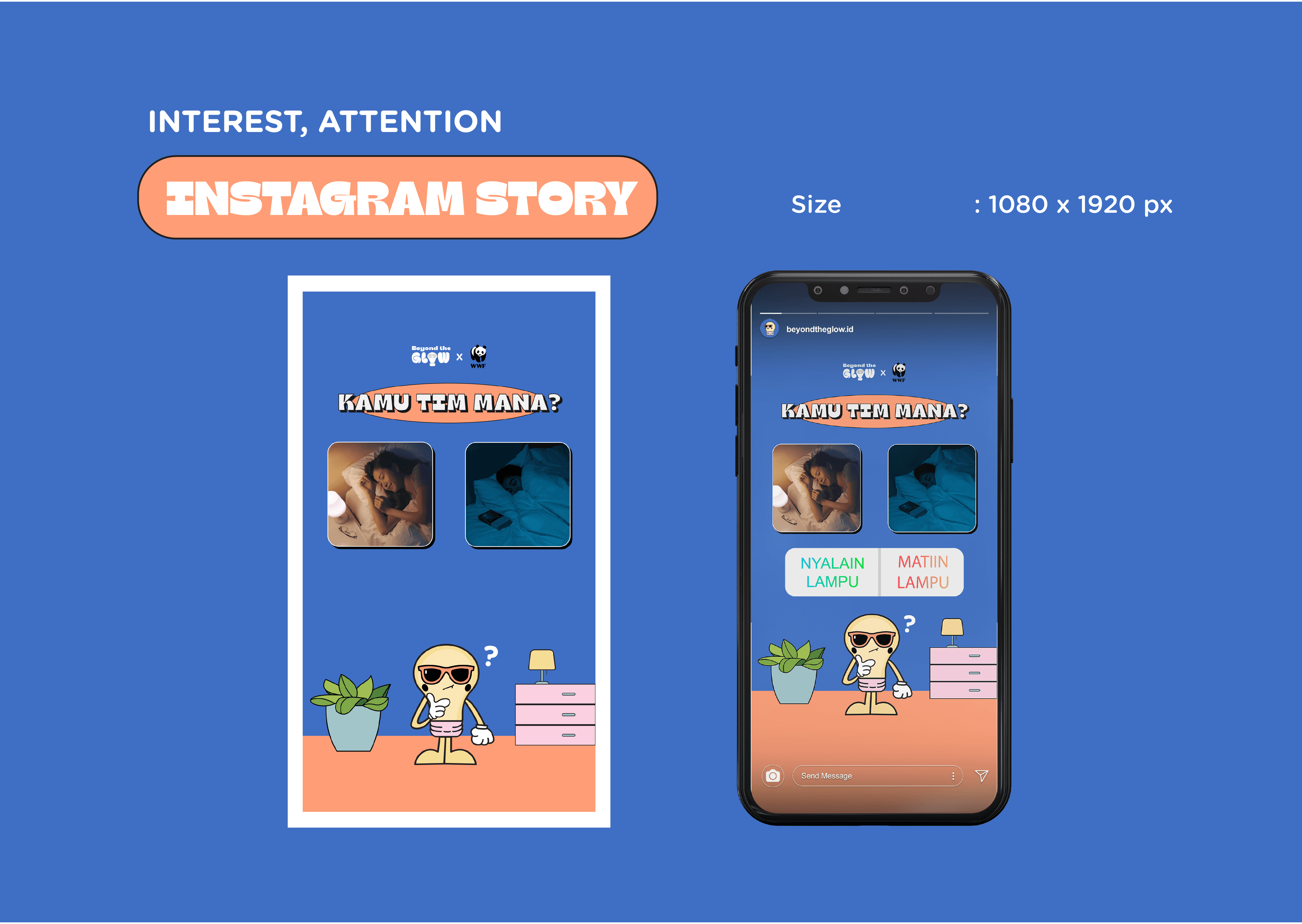
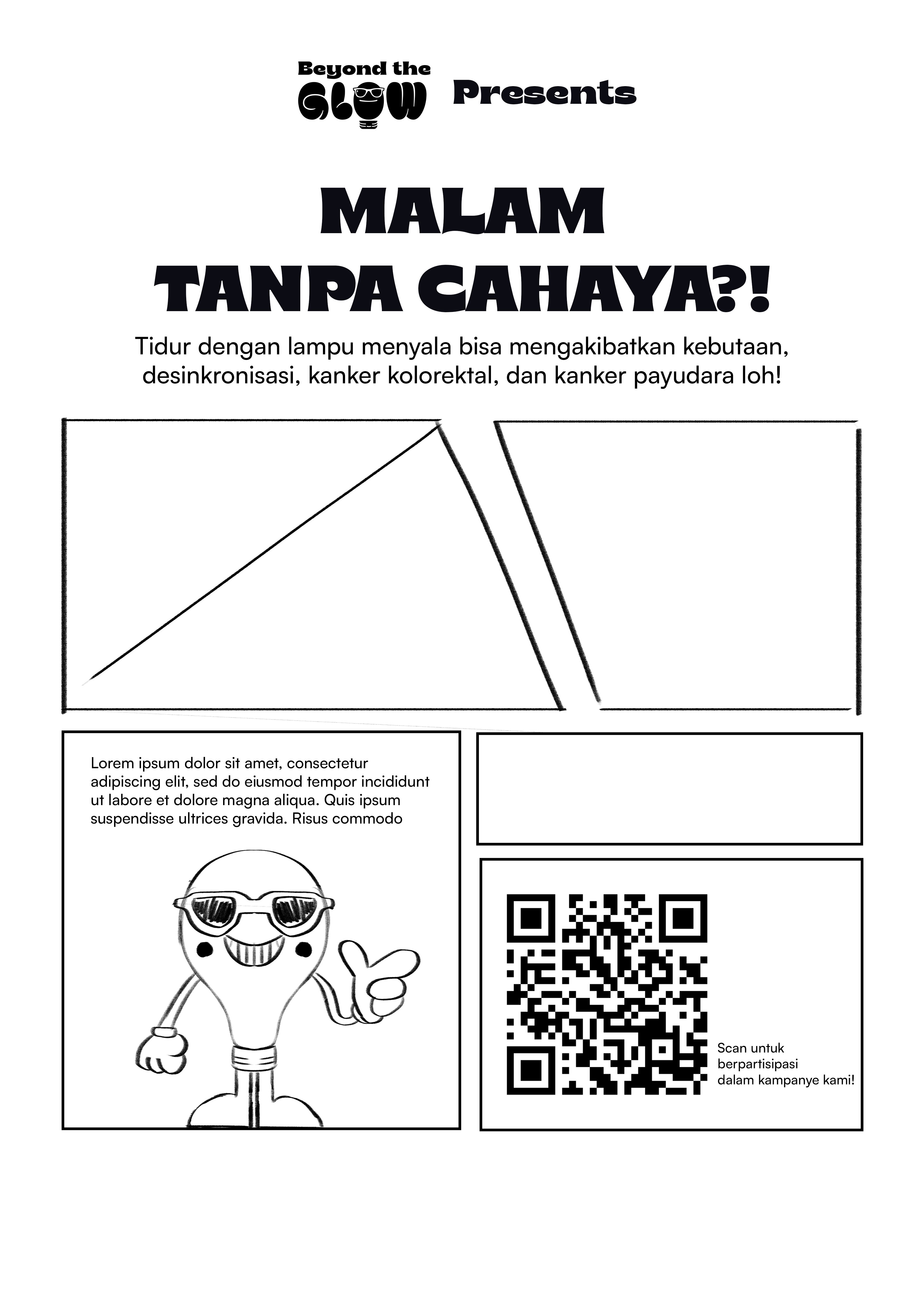
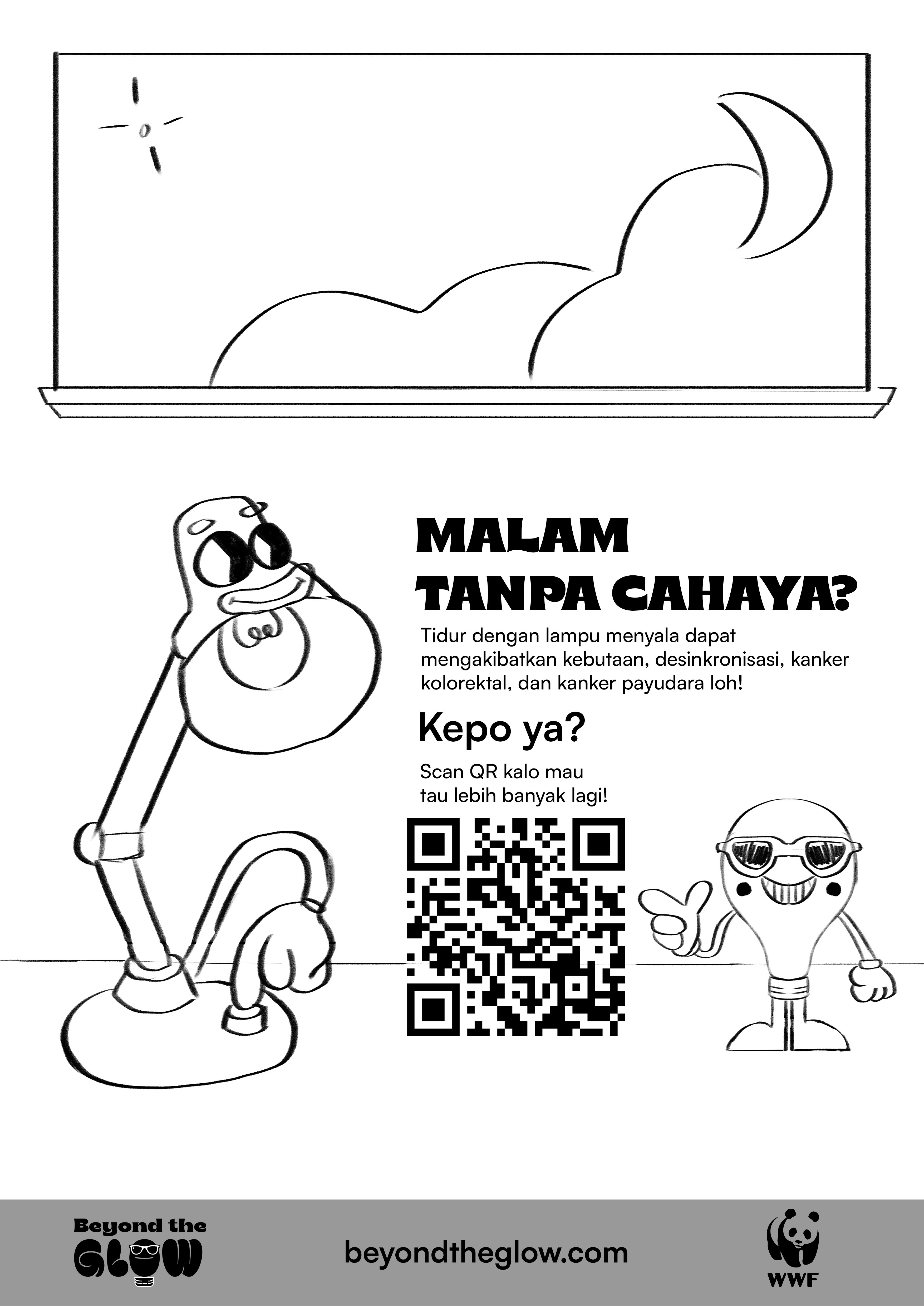
The phrase “less light, more life” is visualized with an image of a light bulb wearing glasses because it is dazzled by its own light. The tactic for conveying the message emphasizes rationality and focuses on the brand mascot, which is designed to be attractive and “more alive.” This mascot will create a happy atmosphere to influence the emotions and mood of the audience, and its cartoonish visual style will further touch the audience's feelings.
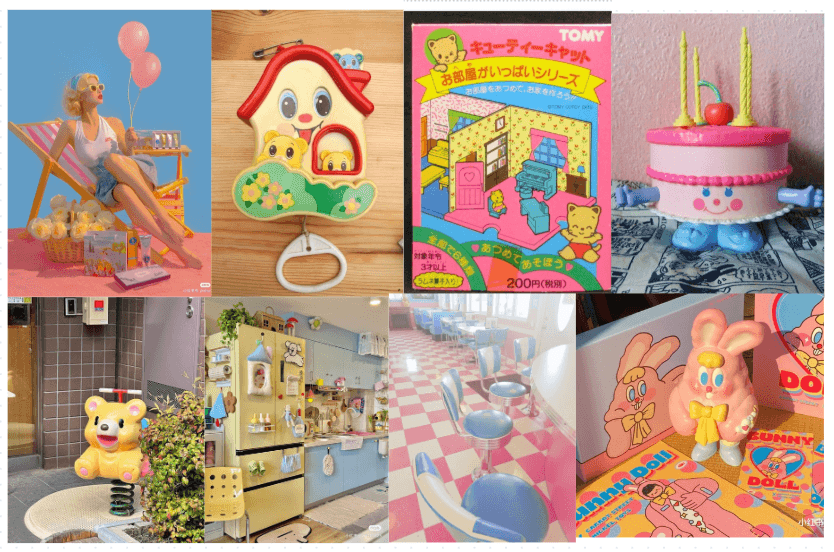
Moodboard
References
Typography
Color Palette
Tagline
Brand Mandatory
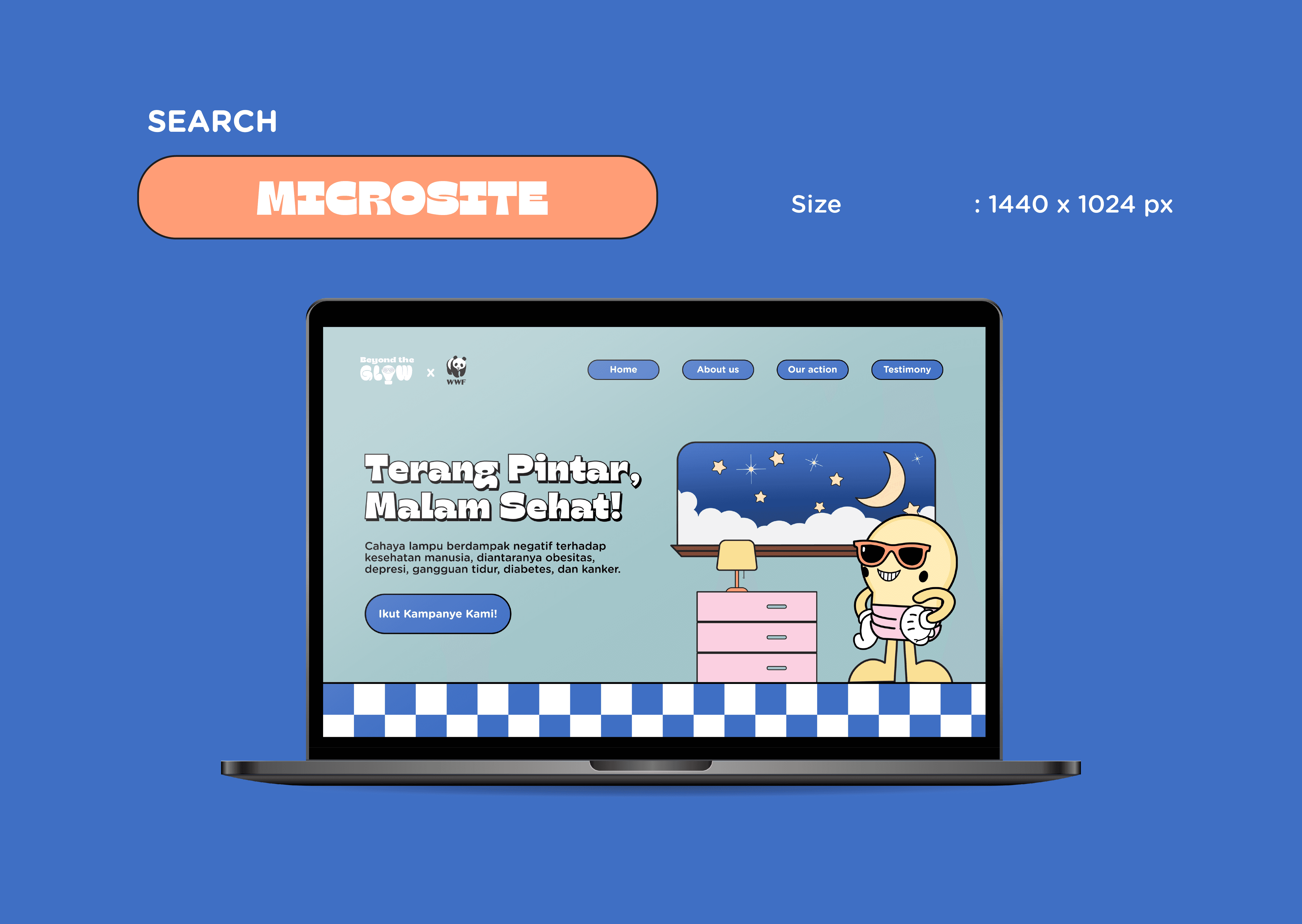
Terang Pintar, Malam Sehat
World Wide Fund for Nature (WWF)
Key Visuals

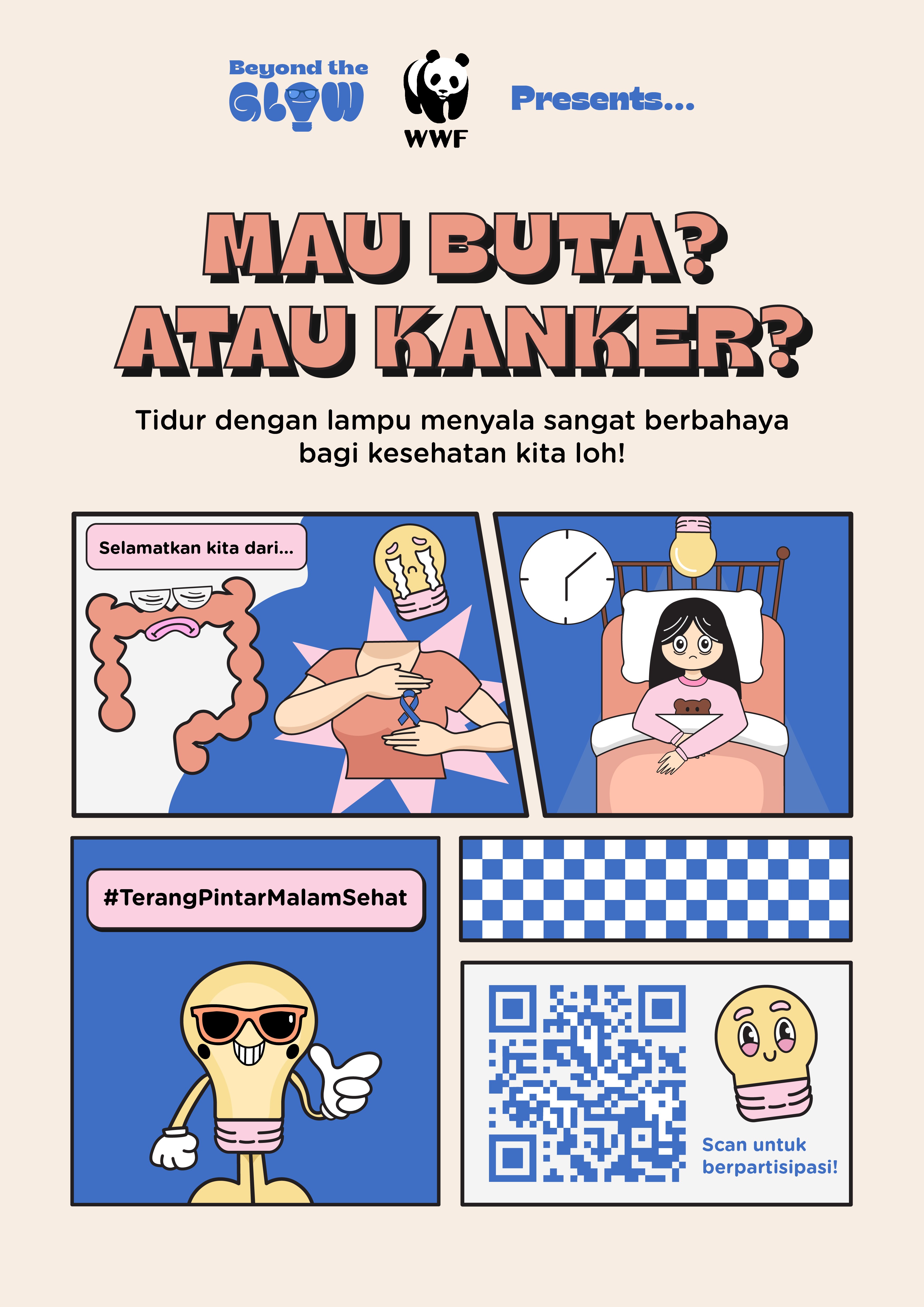
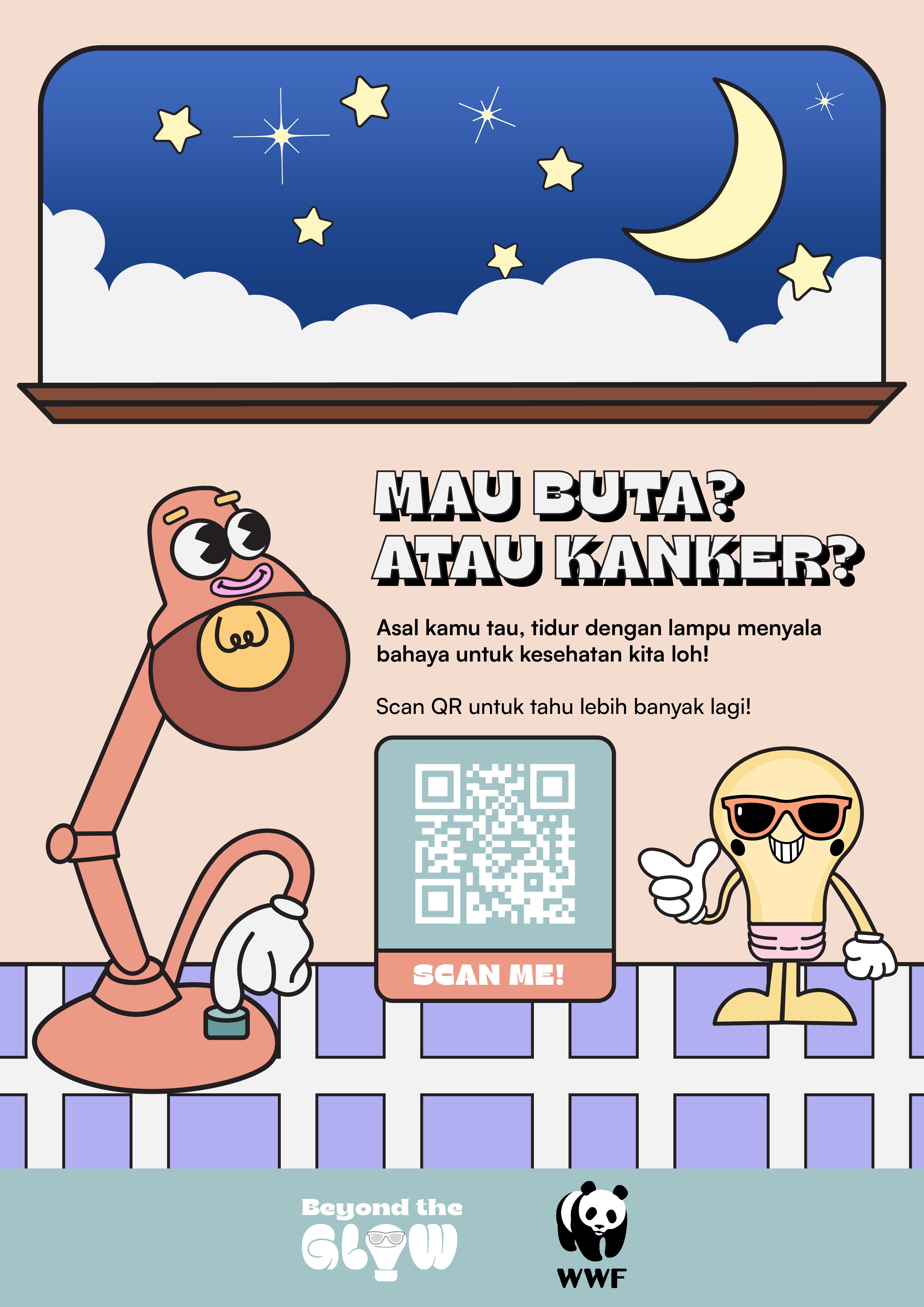
AISAS Production
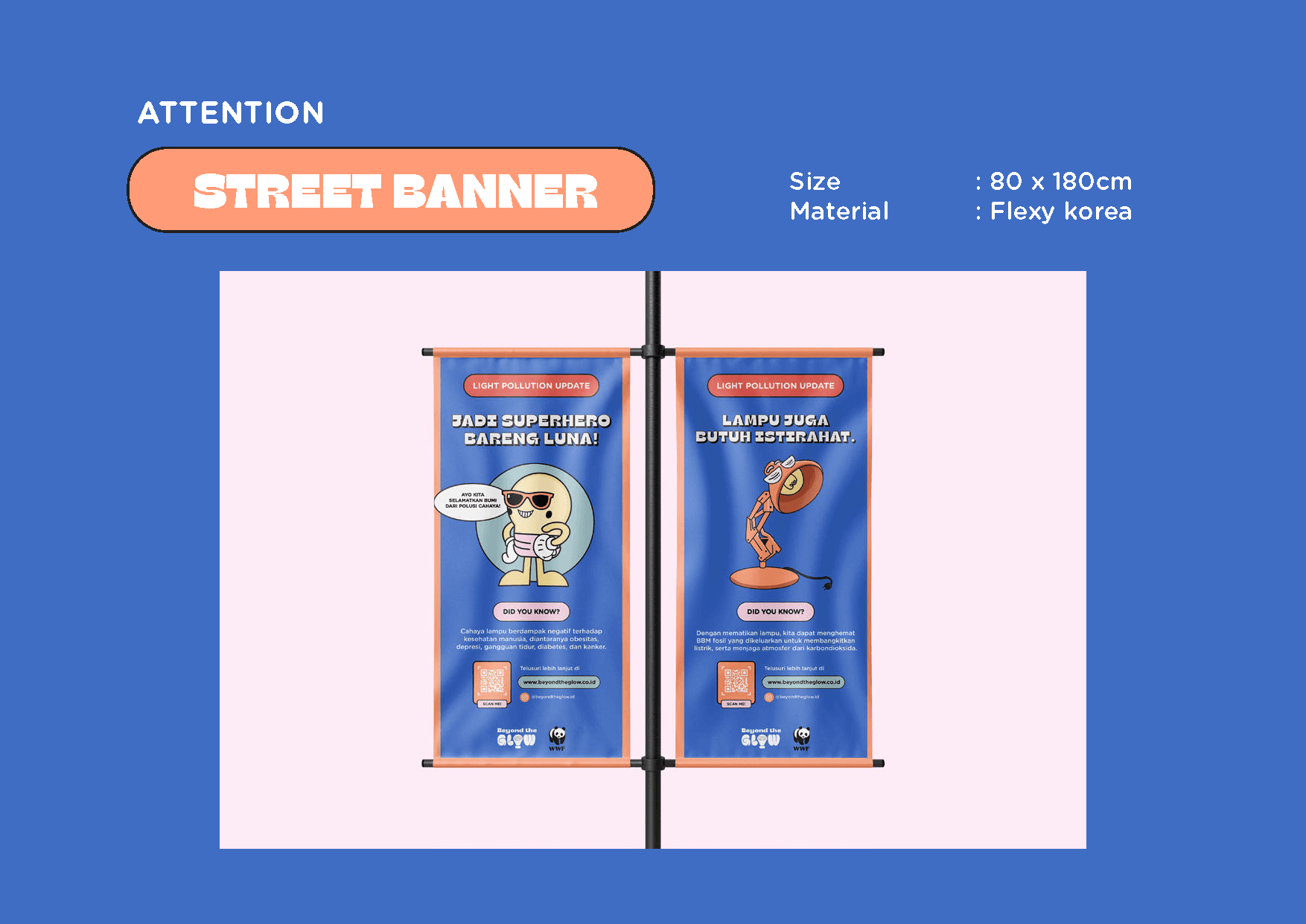
Phase 1: Attention
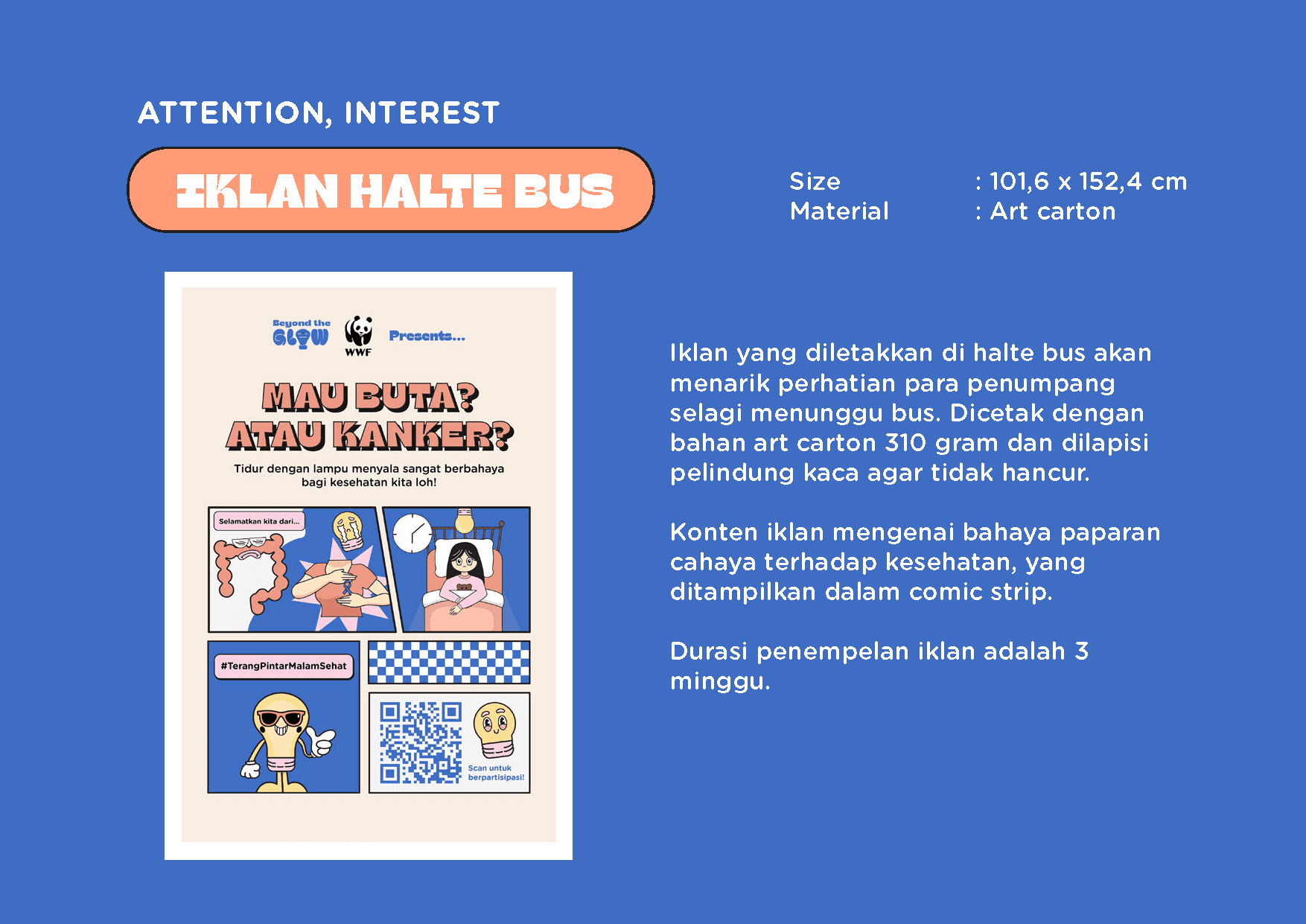
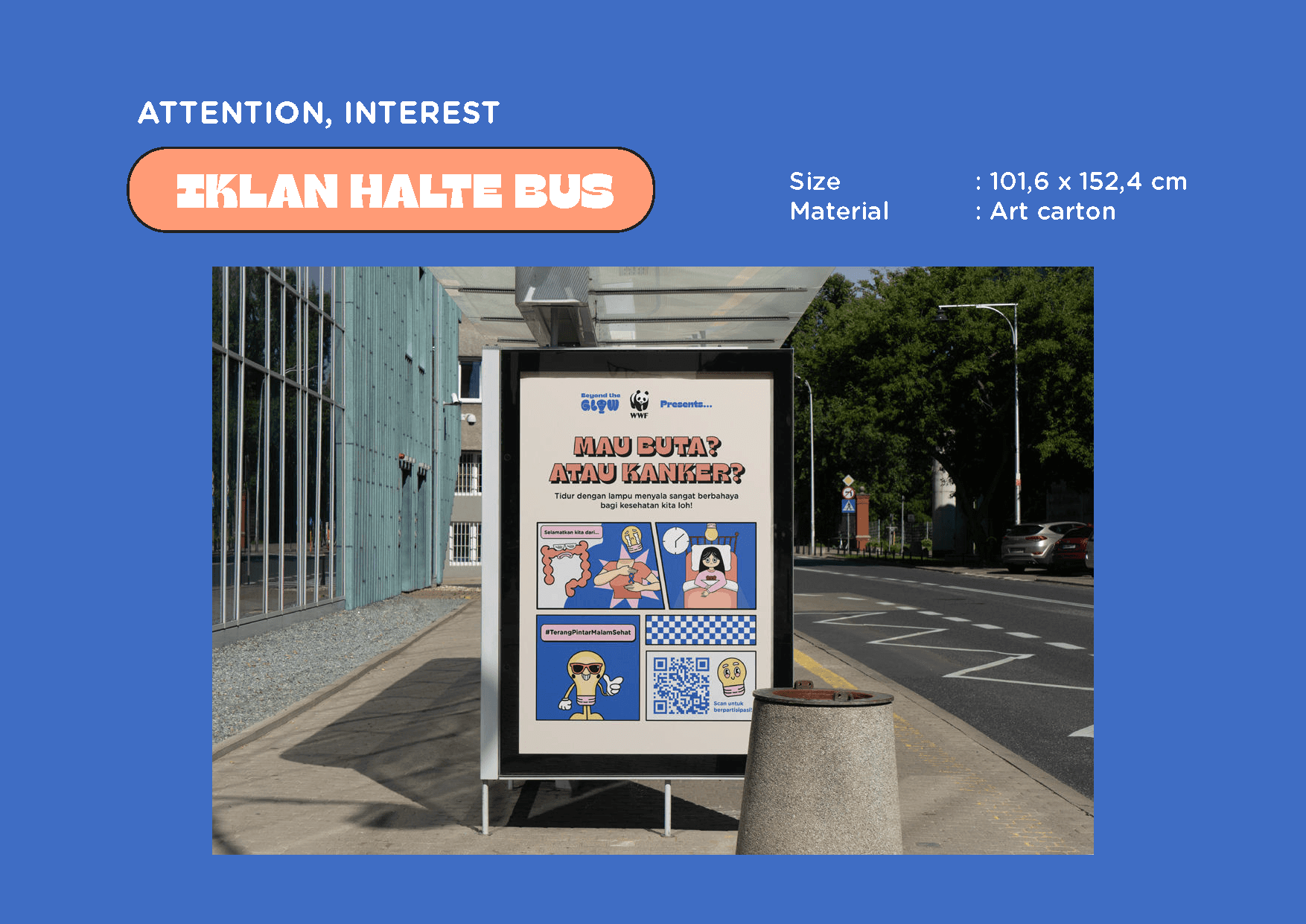
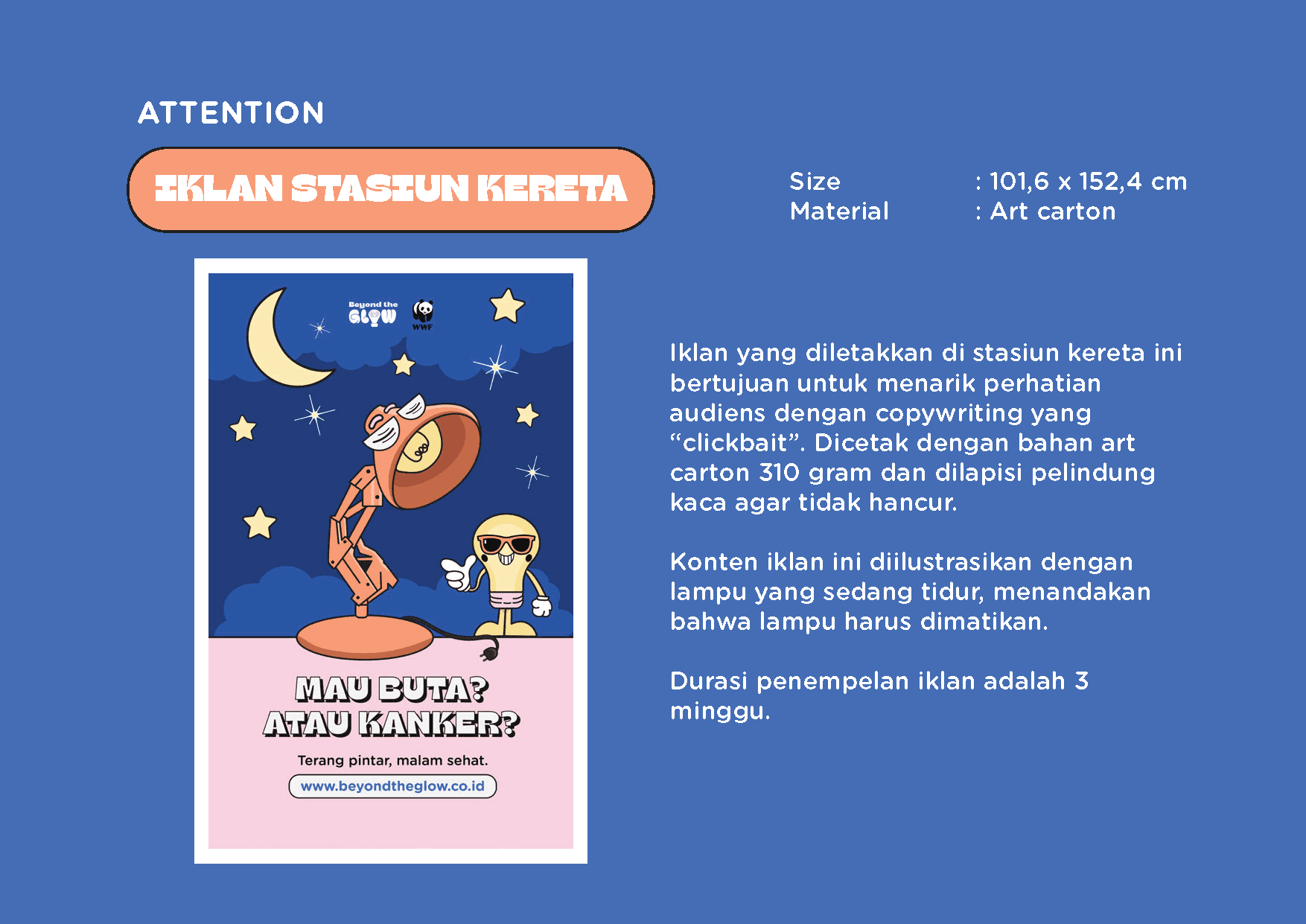
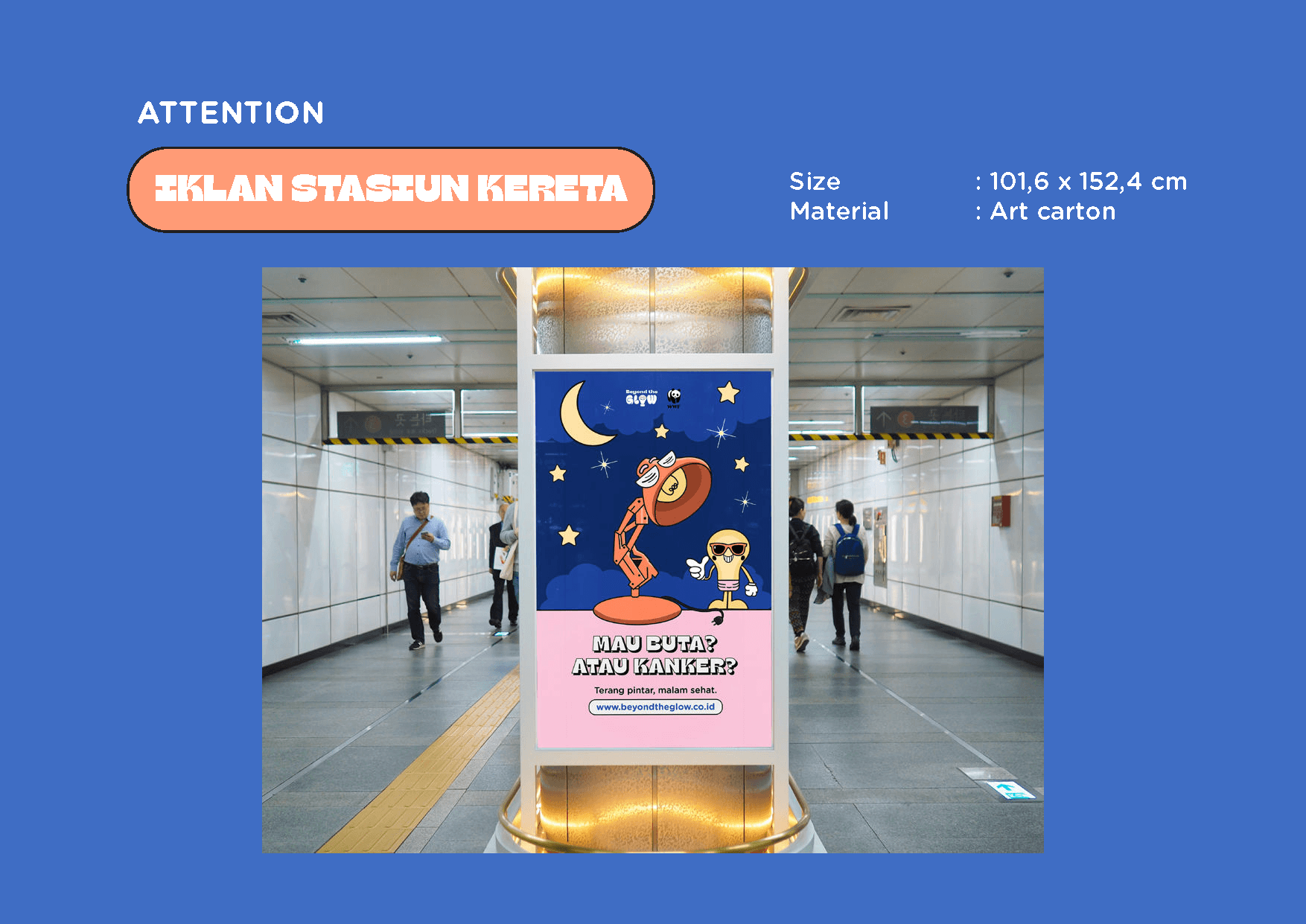
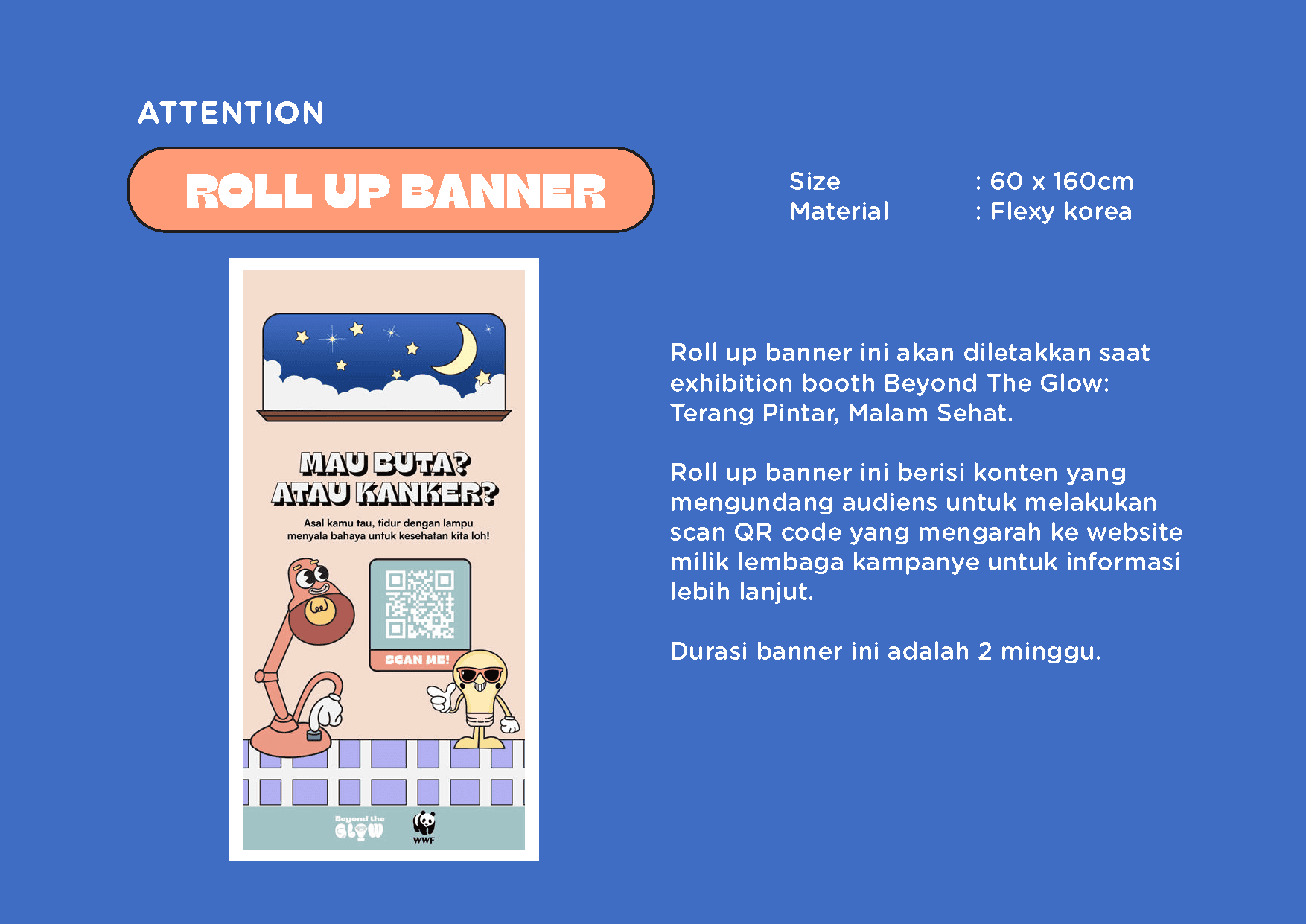
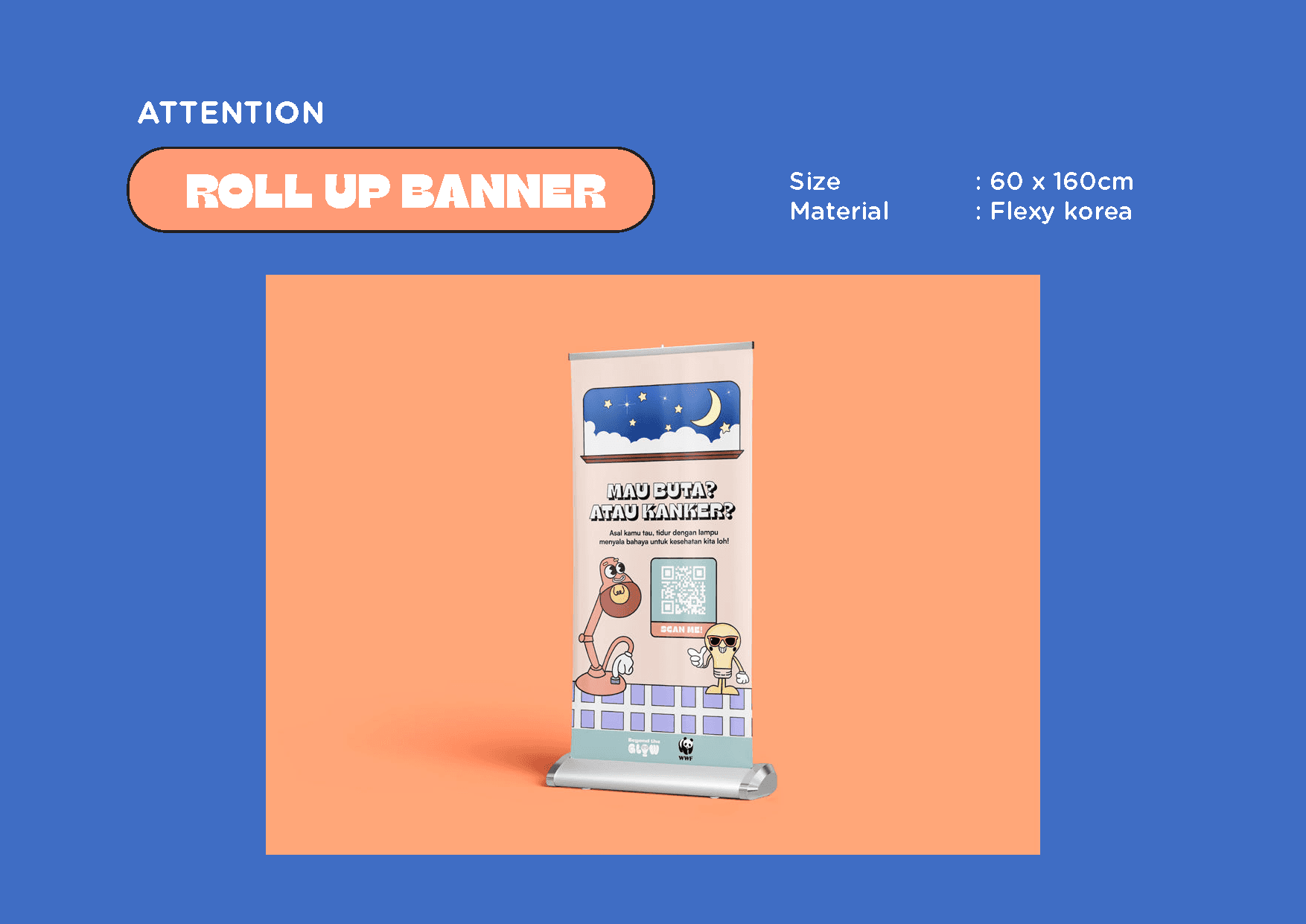
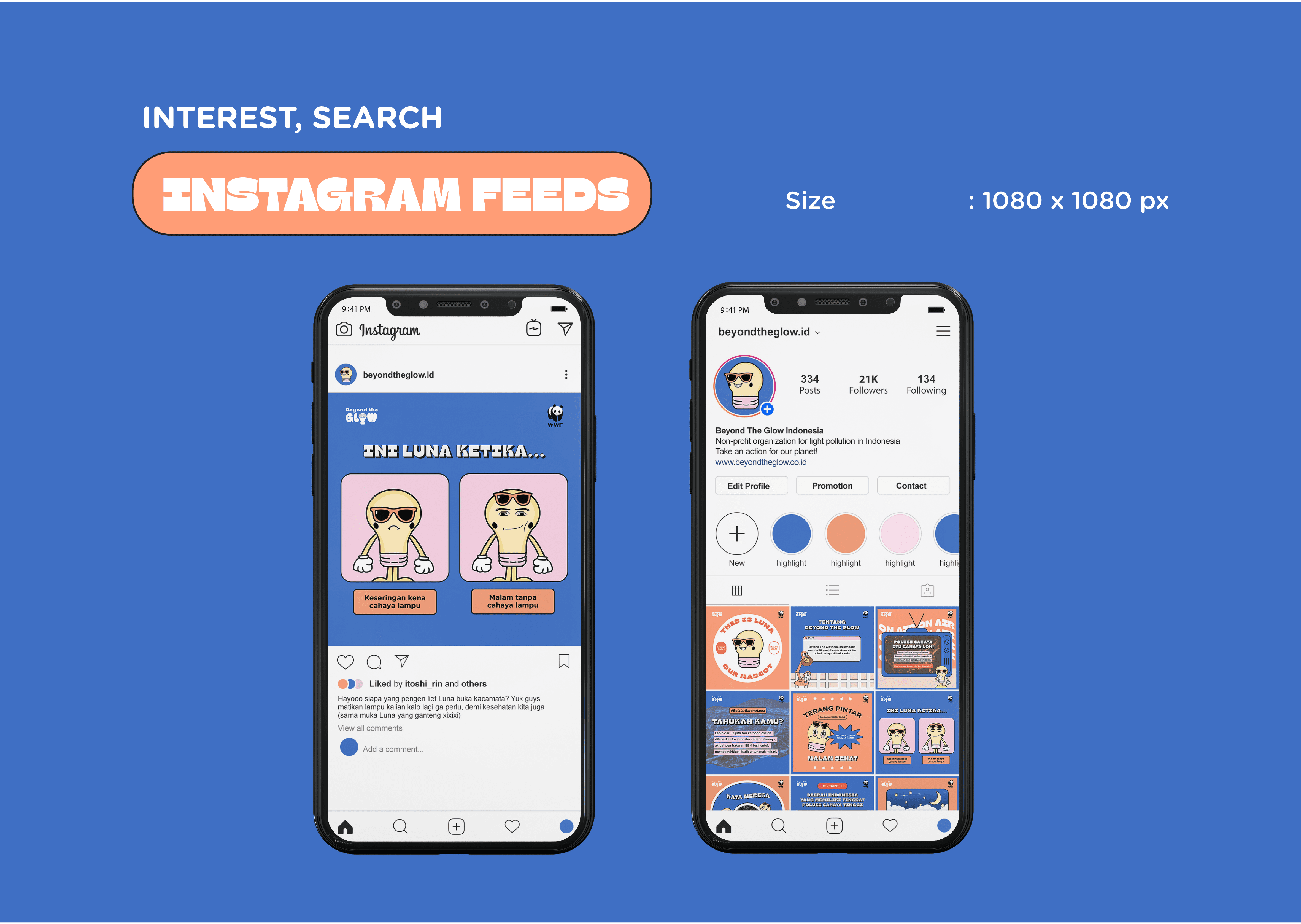
Phase 2: Interest
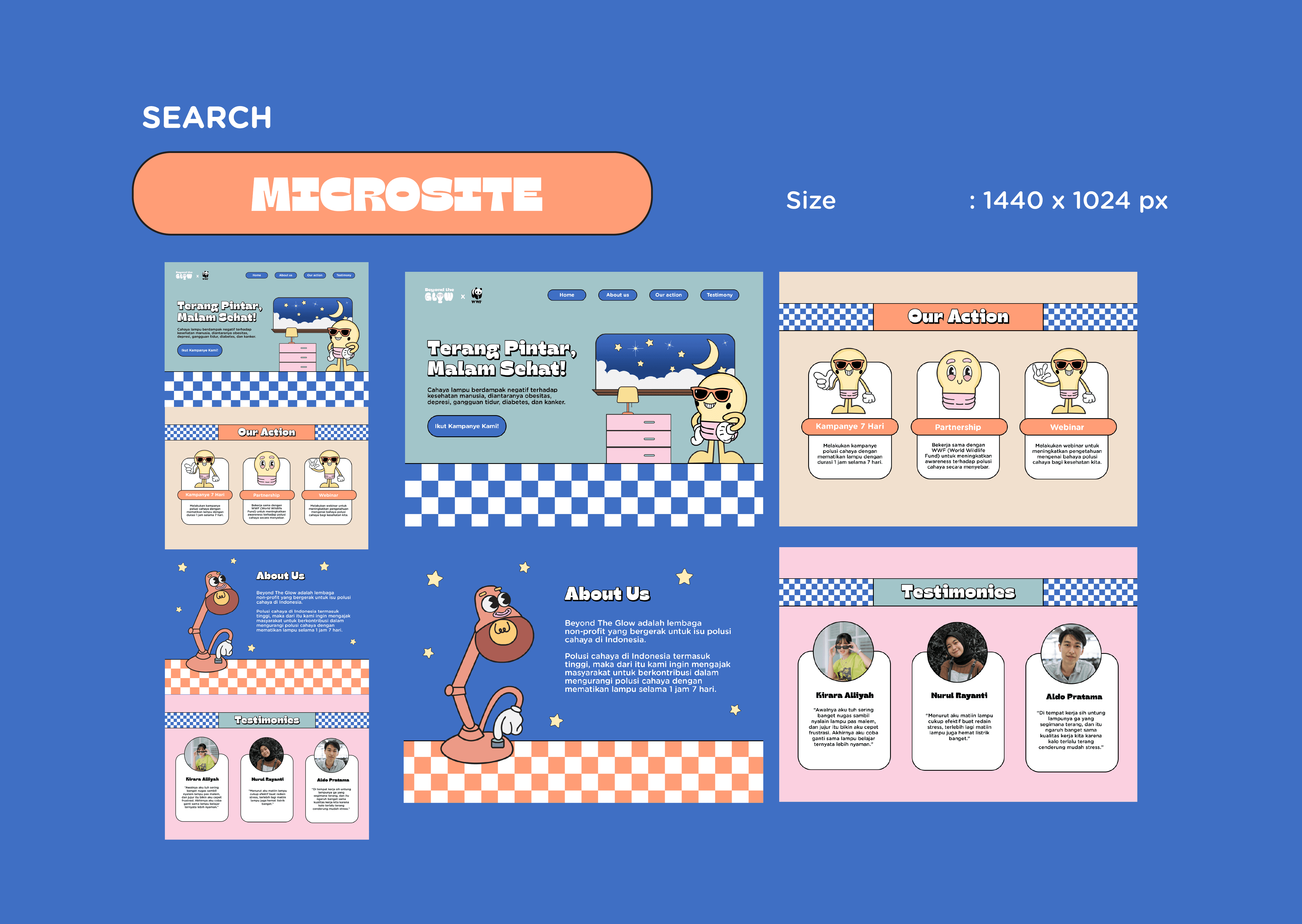
Phase 3: Search
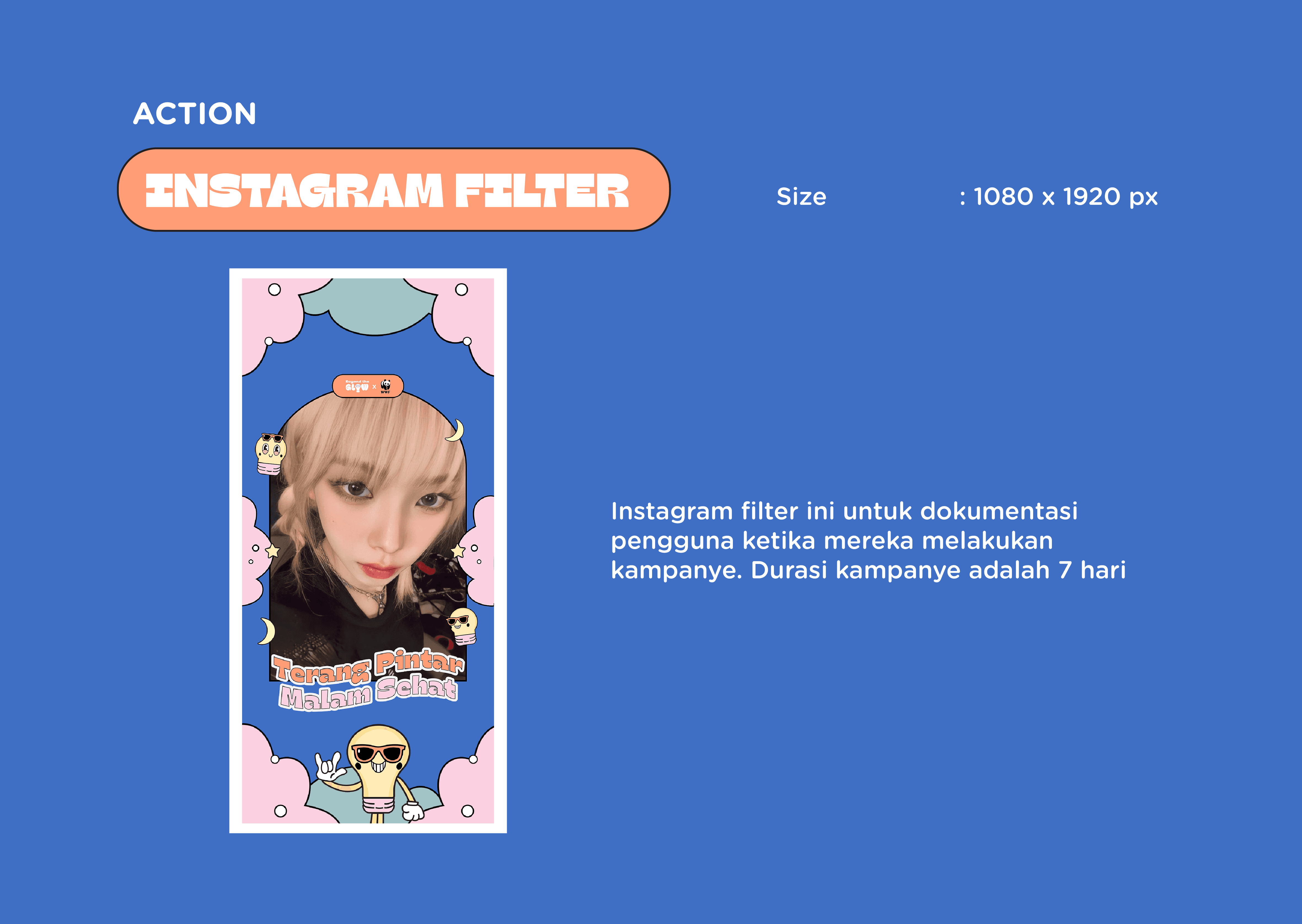
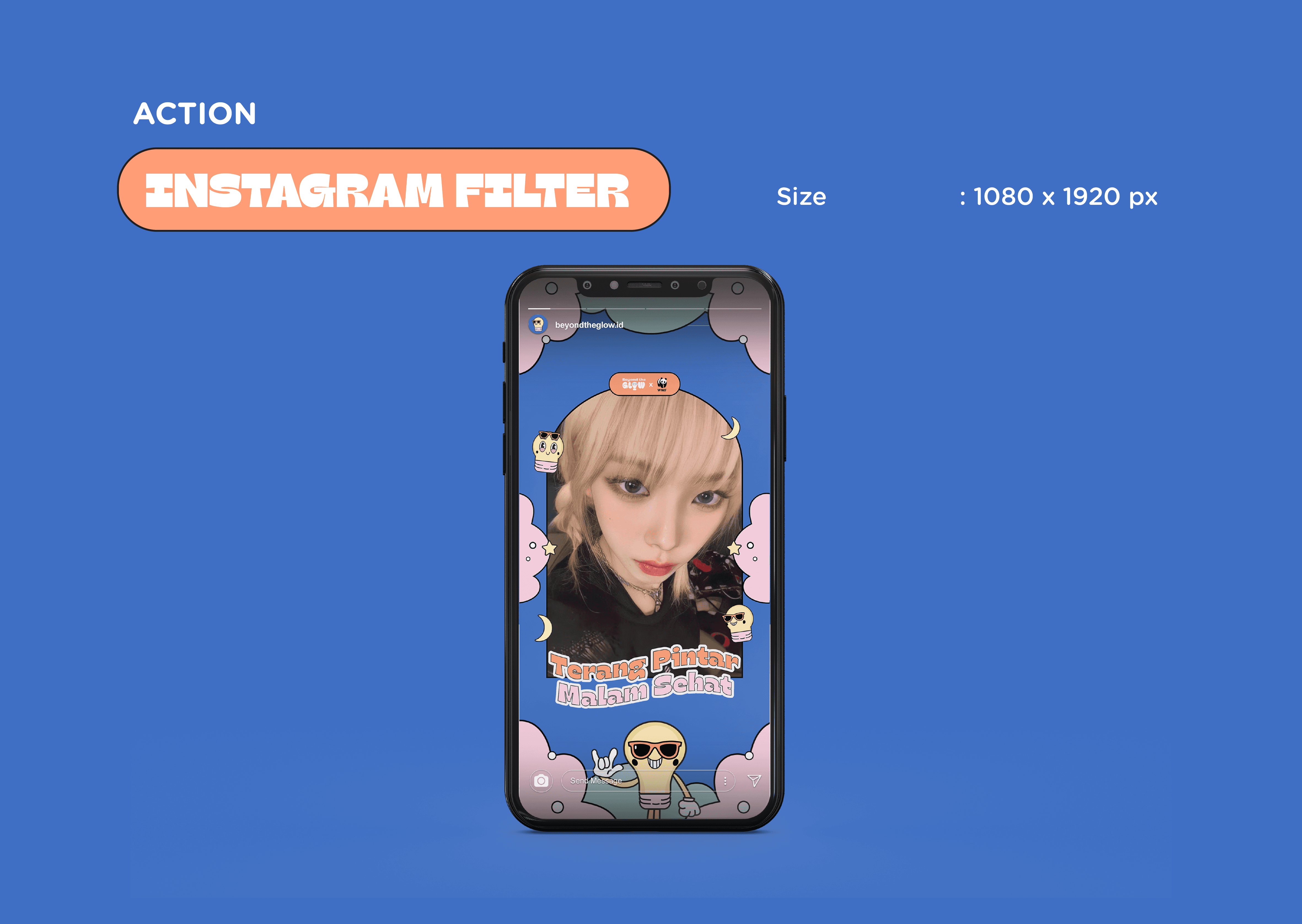
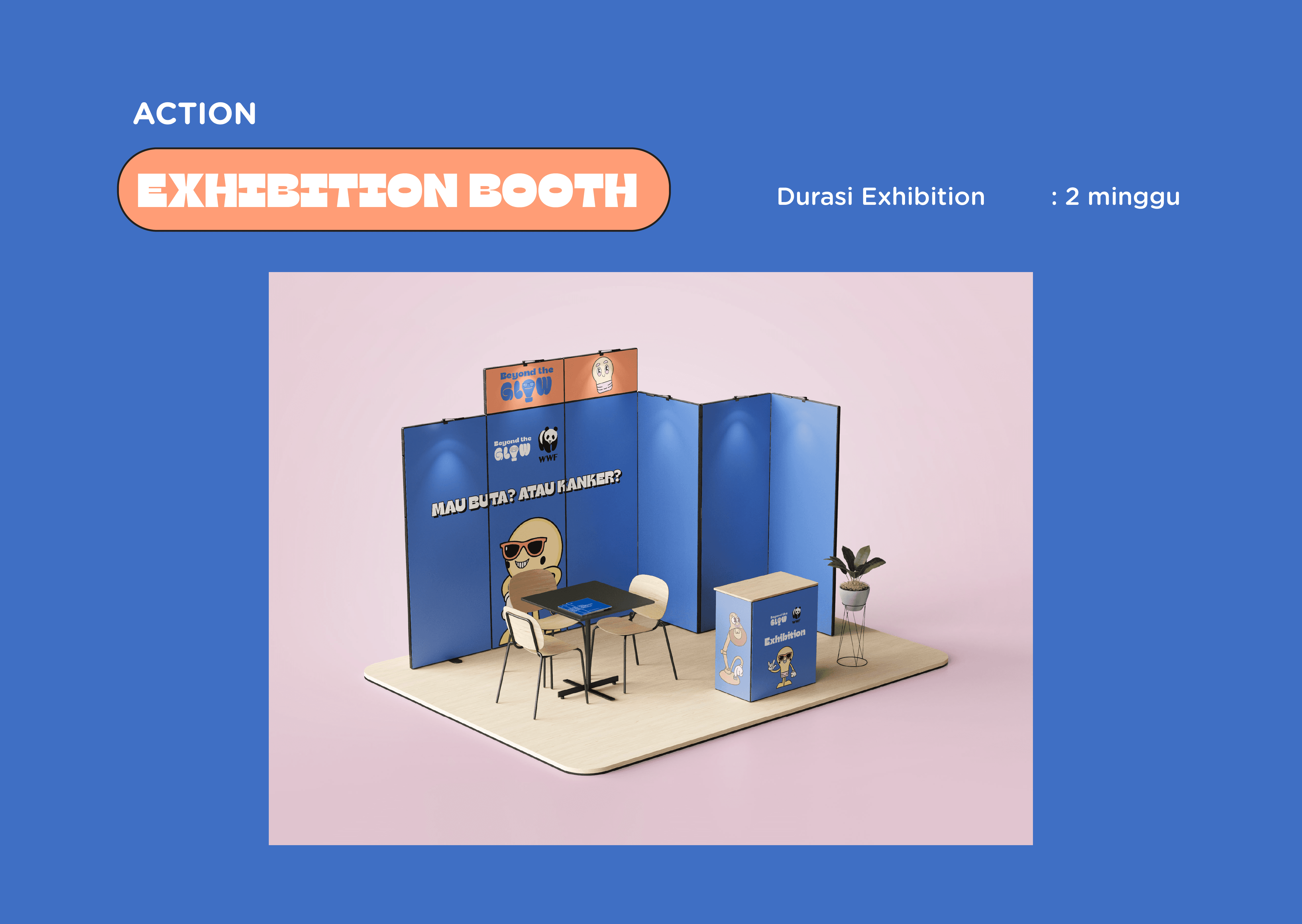
Phase 4: Action
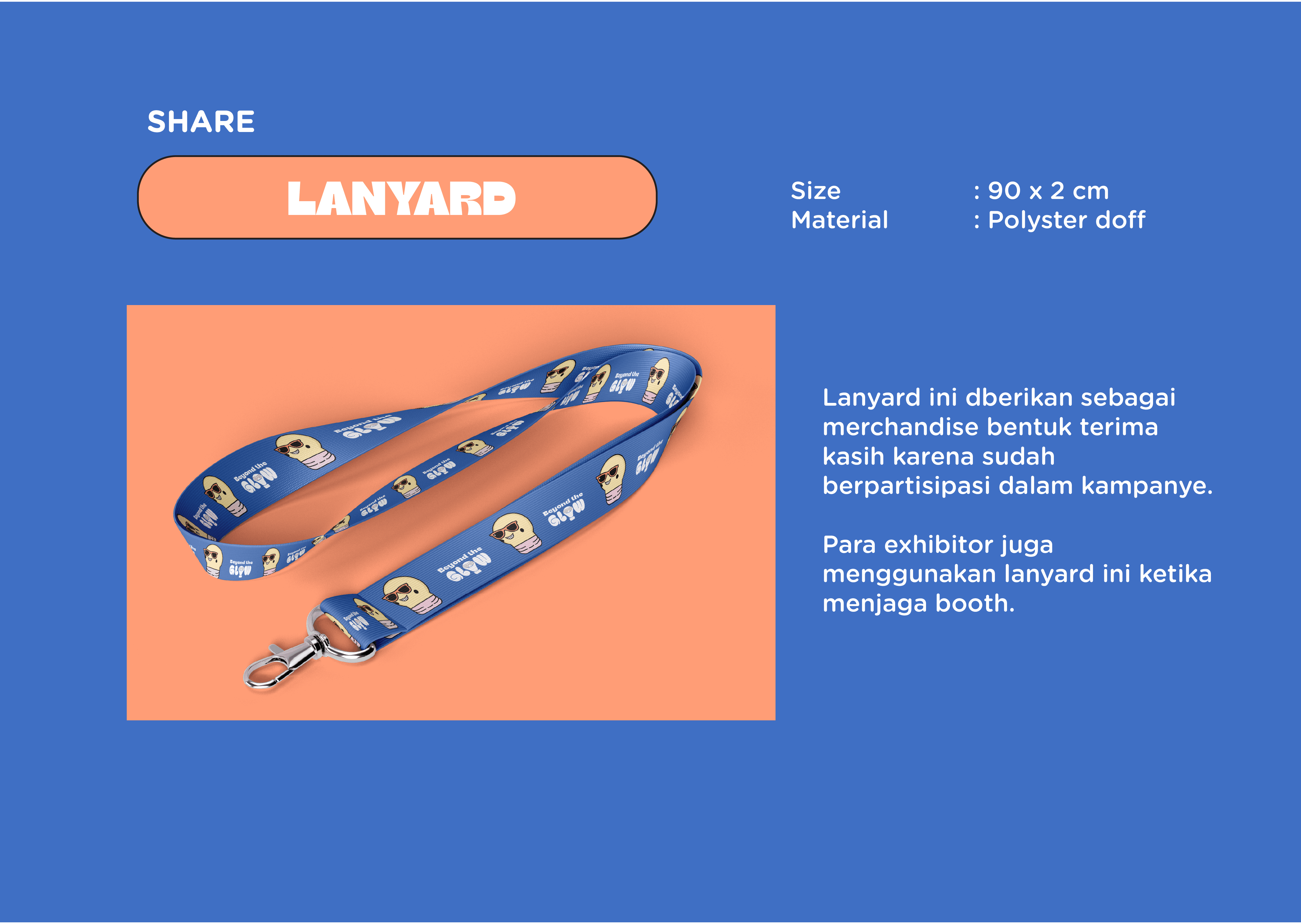
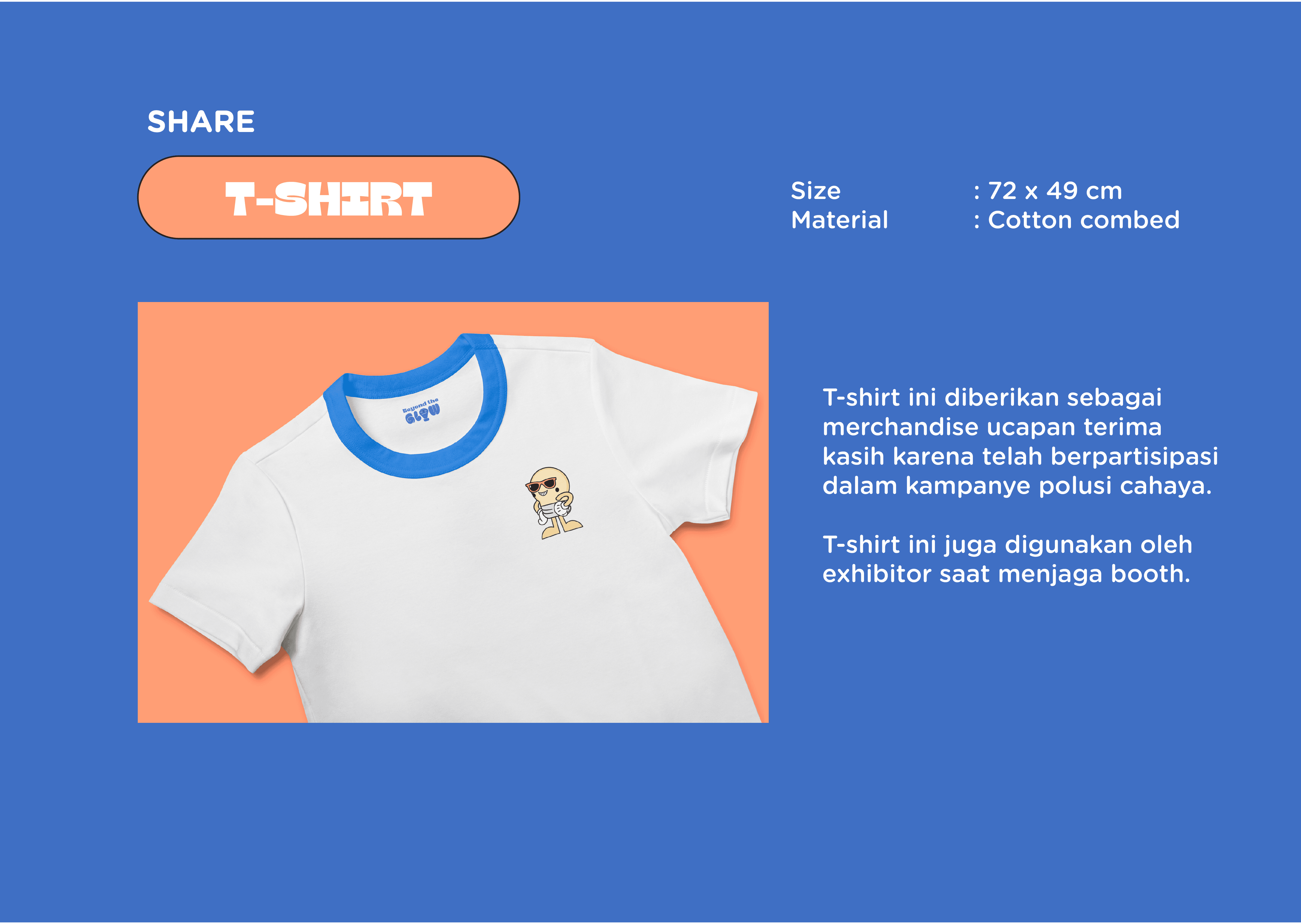
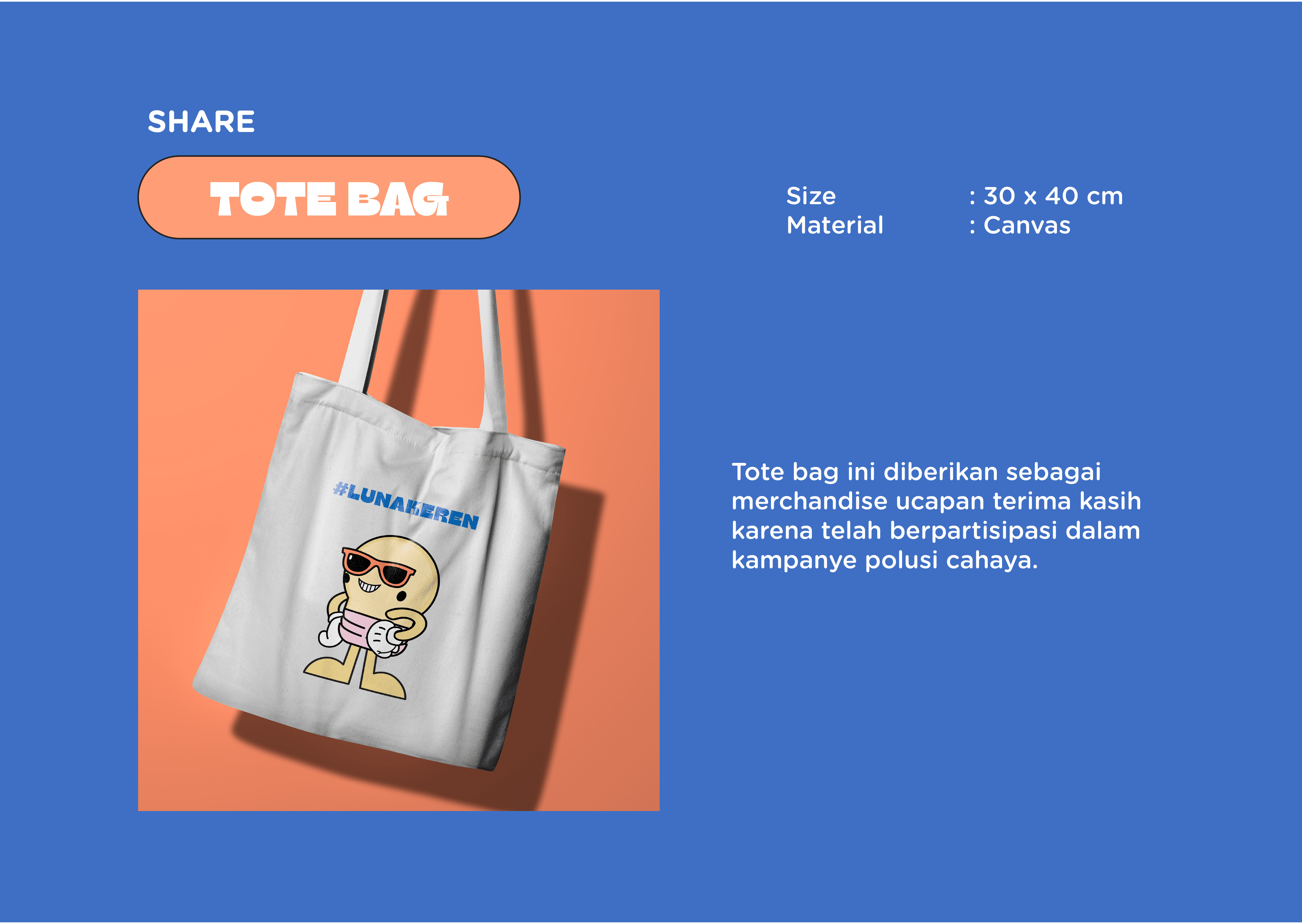
Phase 5: Share
Reflection & Suggestion

I realize there is a lot of room for improvements! It is advisable to do more alternatives for the designs, especially the mascot design and the logo design. This is embarrassing to admit, but I lost the logo design file so I cannot show you the process Last but not least, the AISAS strategy can be more unique and precise. Since I don't elaborate the whole process, I attached the full design document here, you can download it by simply press the button below!

Duration
Campaign Design:
Beyond the Glow
Illustrator
Team
4 months
Graphic Designer
Individual



©2025, designed by Dennisa Angelica.
Hit me Up!
Telegram
Credits
